


Planning a South Island road trip in New Zealand and wondering what to pack? This guide covers everything you need, from the absolute essentials to the clever little extras that make van life genuinely comfortable. Trust me, I’ve been on a LOT of road trips… I’ve got you.
Whether it’s your first time hiring a campervan or you’re a seasoned road tripper, this packing list will make sure you’re set up for an incredible adventure through one of the world’s most breathtaking destinations.
Why the South Island of New Zealand?
Nestled at the bottom of the South Pacific, New Zealand‘s South Island is the kind of place that stops you in your tracks. Think glacier-carved fjords, jagged mountain peaks, turquoise alpine lakes, and sweeping golden plains — all connected by open roads that practically beg to be driven. It’s the home of Fiordland National Park, Milford Sound, Queenstown, and the famous Aoraki/Mount Cook, and chances are you’ve seen it in the background of a Lord of the Rings film or two.
I don’t think i’ve ever said ‘WOW’ so many times in my life as I did on this New Zealand road trip.
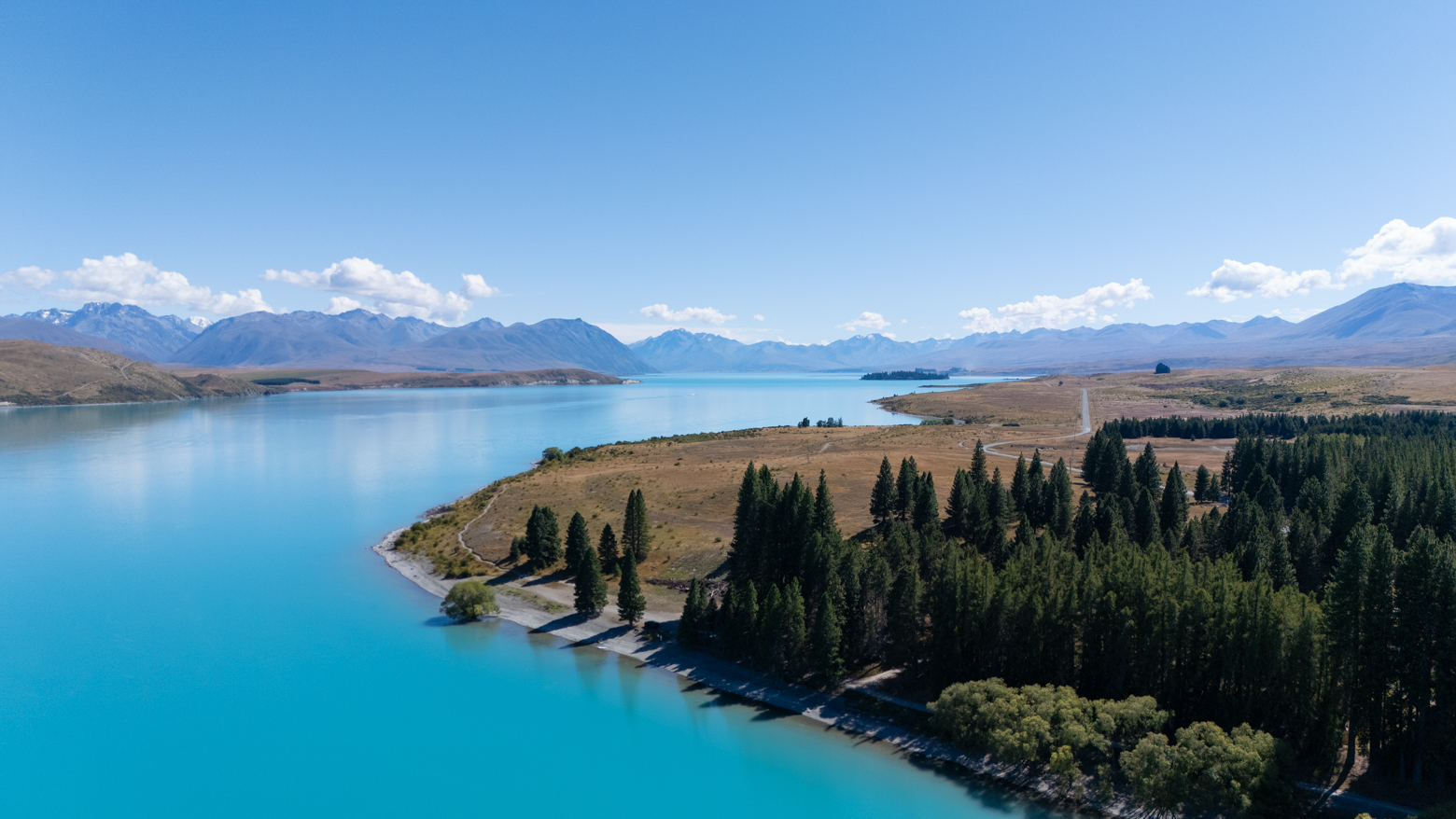
The South Island is literally a dream destination for adventurers, nature lovers, hikers, and anyone who wants to feel genuinely small in the presence of epic landscapes.
It’s not a sit-by-the-pool kind of trip — it’s a lace-up-your-boots, pull-over-for-a-waterfall, eat-your-lunch-on-a-glacier kind of trip. And honestly? That’s exactly why people keep coming back.
Most travellers pick up a campervan from Christchurch, Queenstown, or Auckland, and the freedom of having your accommodation on wheels is what makes road tripping here so special — you follow the landscape, not a hotel booking.
Useful Travel Info Before You Go
Getting there: Most international flights into the South Island land in Christchurch, which is also one of the most popular places to pick up a campervan. Queenstown also has an international airport if you’d rather start in the south and work your way up.
Best time to visit New Zealand:
- Summer (December to February) offers the warmest temperatures and longest days, but even then, the weather is unpredictable — especially in the mountains.
- End of summer (late February) can be a sweet spot with slightly fewer crowds.
- Autumn (March–May) brings stunning foliage and crisp air. If you’re heading in autumn or winter, pack heavier layers and be prepared for some tracks to be closed.
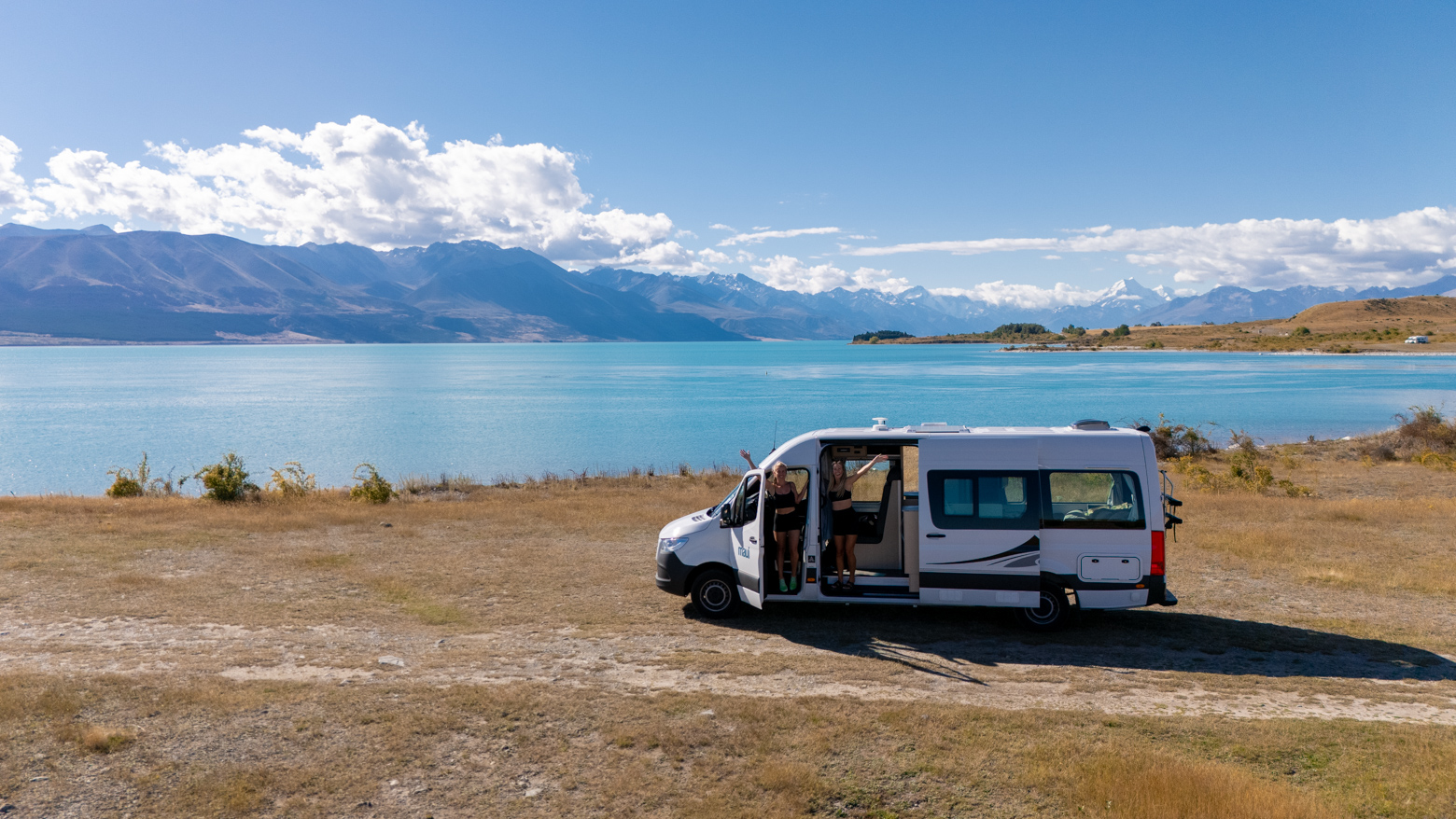
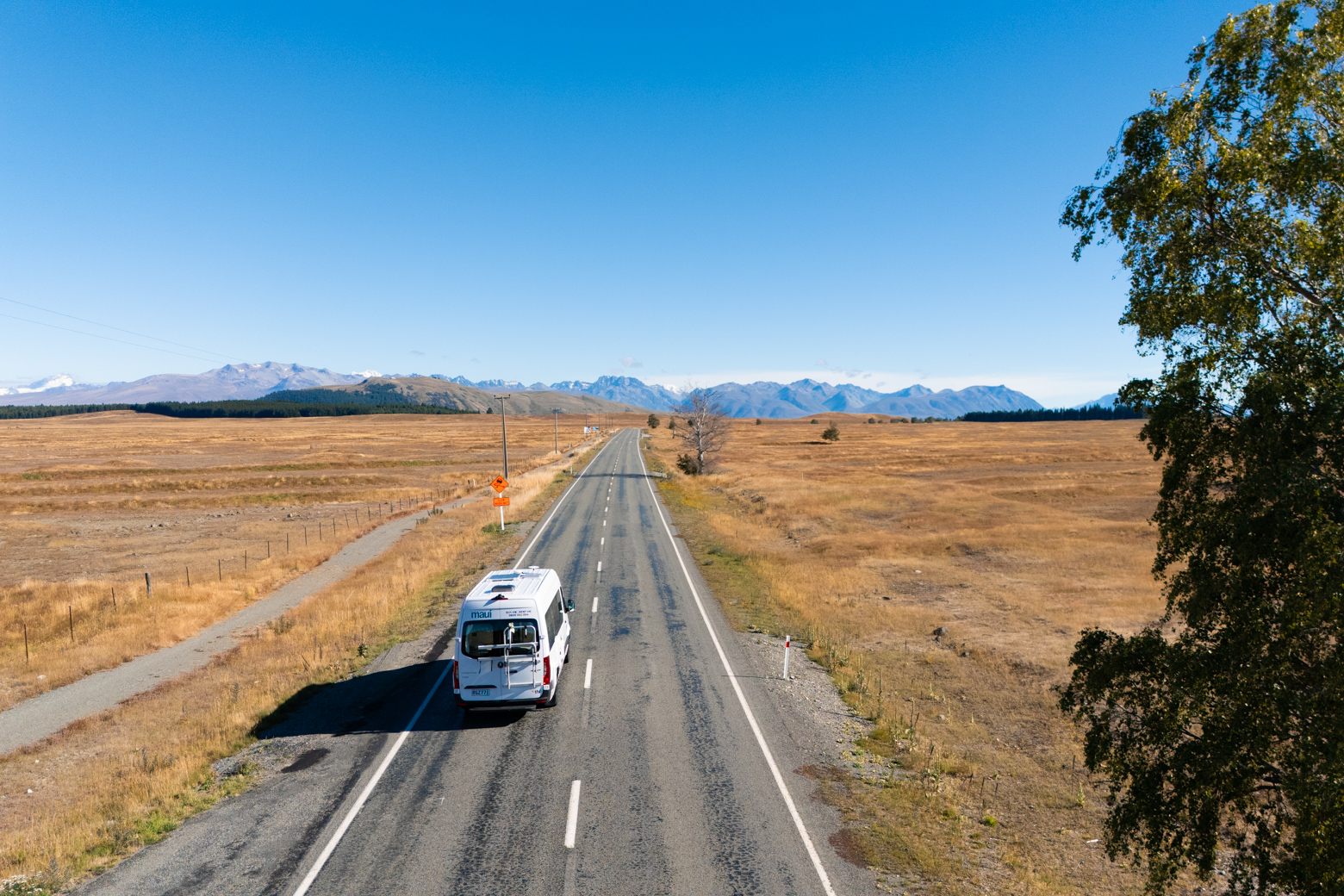
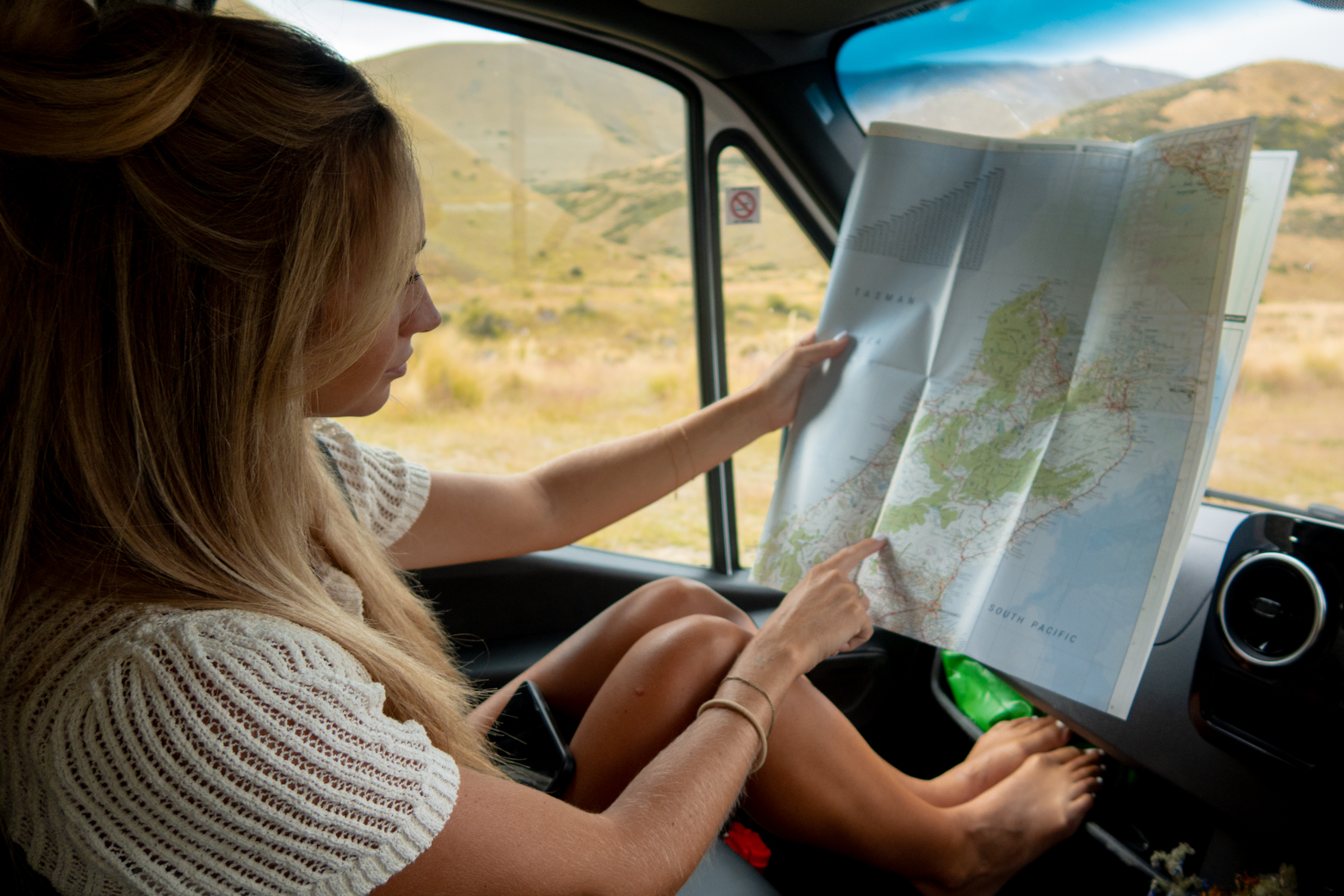
Getting around: A campervan is the ultimate way to explore New Zealand – without a doubt. You’ll find campsite apps like CamperMate invaluable for finding powered and free sites along your route. Most of the main roads are in excellent condition, but some scenic detours are gravel — always check before you head down.
We hired our motorhome (see below) with RatPack Travel and can highly recommend. You basically give them your rough travel dates, and they will scan all the motorhome companies and find you the best deals and options for your style and budget!
Get your adventure started today with the button below…
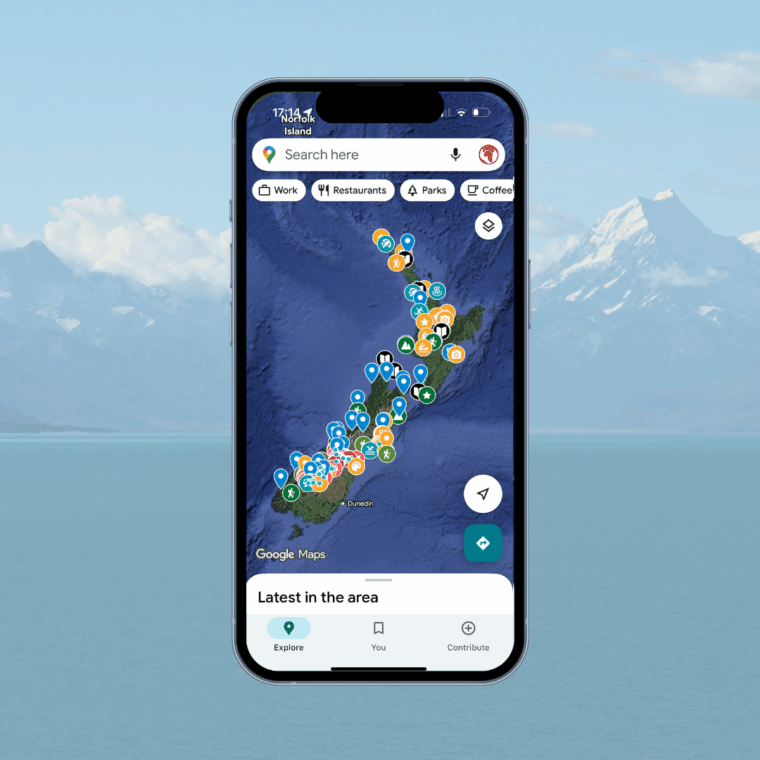
Get lifetime access to my endless hours of research and time spent on the ground finding the best places to eat, drink, relax and explore in New Zealand. You simply open the Google Map on your device and ALL my recommendations are at the touch of your fingertips.
Cost of travelling New Zealand?
New Zealand isn’t a budget destination, but road tripping in a campervan is one of the more affordable ways to explore it. Budget for fuel (petrol prices can be high, especially in remote areas), campsites (free DOC sites to $50+ NZD per night), groceries, and any paid activities like heli-hikes or boat tours.
1. The Non-Negotiables
Before you even think about what to wear, make sure you have these locked in:
- Driver’s licence — you’ll need it to pick up the van, no exceptions.
- Credit or debit card — for the van deposit, insurance, fuel, food, and everything in between.
- A little cash — New Zealand is increasingly cashless (even roadside produce stalls often have tap machines), but it’s worth having a small amount as a backup.
- Your phone, a USB charging cable (bring both USB-A and USB-C to cover any van setup), and a power bank for long hike days.
- Important documents printed — travel insurance, booking confirmations, flight details. If your phone dies or you lose signal, you’ll be glad you have physical copies.
Pro Tip: Download everything before you leave home — offline maps (Google Maps or Maps.me), playlists, podcasts. Signal drops out in beautiful places, and you don’t want to be caught without navigation in a mountain valley.
2. Clothing: Layer Like You Mean It
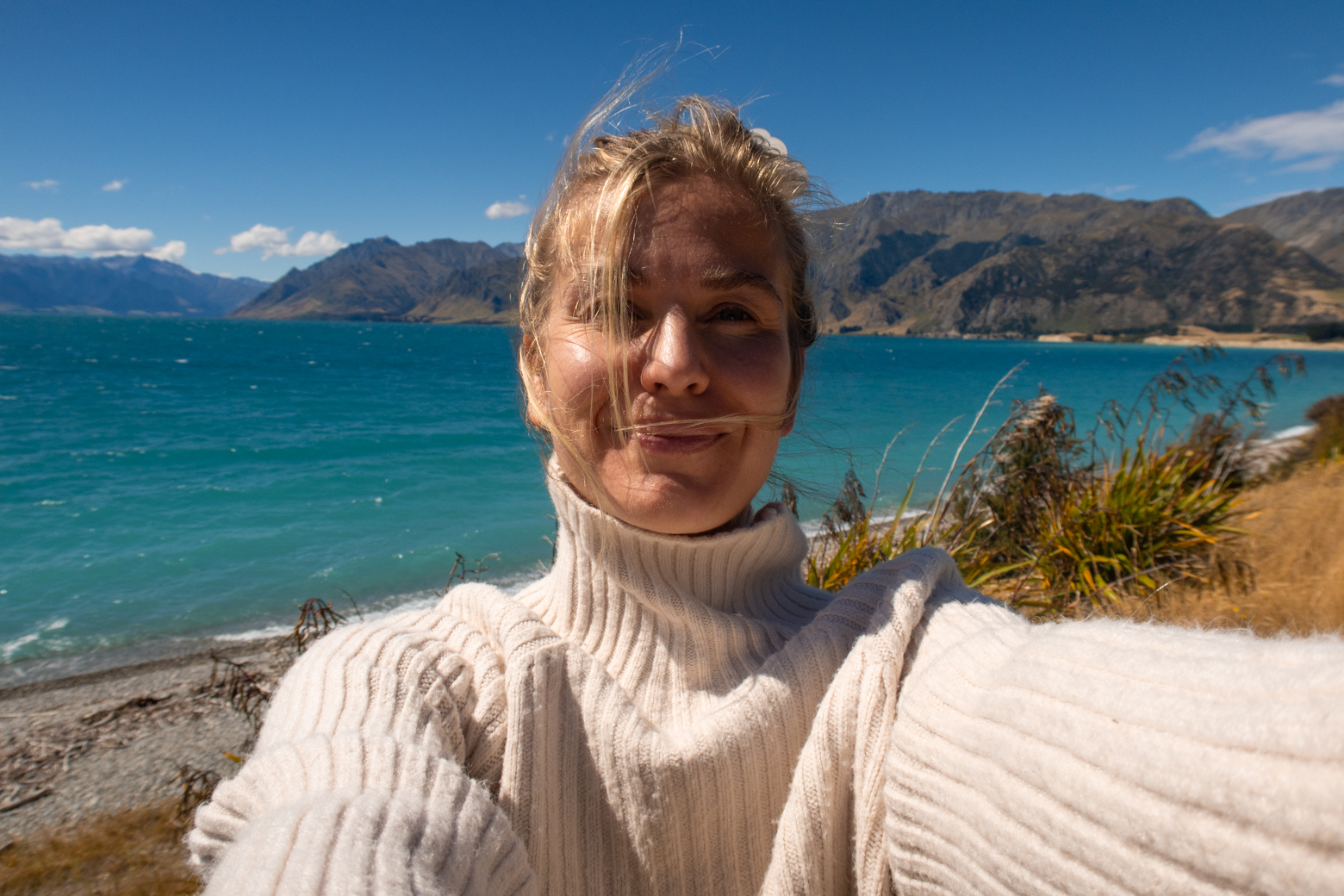
New Zealand weather is famously unpredictable. On our trip at the end of February, we experienced gorgeous 23–24°C days and then a sharp drop to 8°C in Queenstown — all within the same week. Add altitude into the mix when you’re hiking, and the temperature shifts again. The golden rule: layers, layers, layers.
Here’s what worked well:
- Tank tops and sports bras as your base — they’re versatile and pack small.
- A few t-shirts and at least one long-sleeved top.
- One good jumper or fleece.
- A waterproof rain jacket — this is non-negotiable. It rains a lot in New Zealand, and a packable raincoat takes up almost no space.
- Active wear — you’ll likely be in it 80% of the time. New Zealand is an outdoorsy destination; comfort is king.
- Underwear and socks (including hiking socks and a pair of cosy fluffy socks for van evenings).
- Pajamas.
- Swimwear — hot springs, glacial lakes, waterfalls, and ocean swims all await.
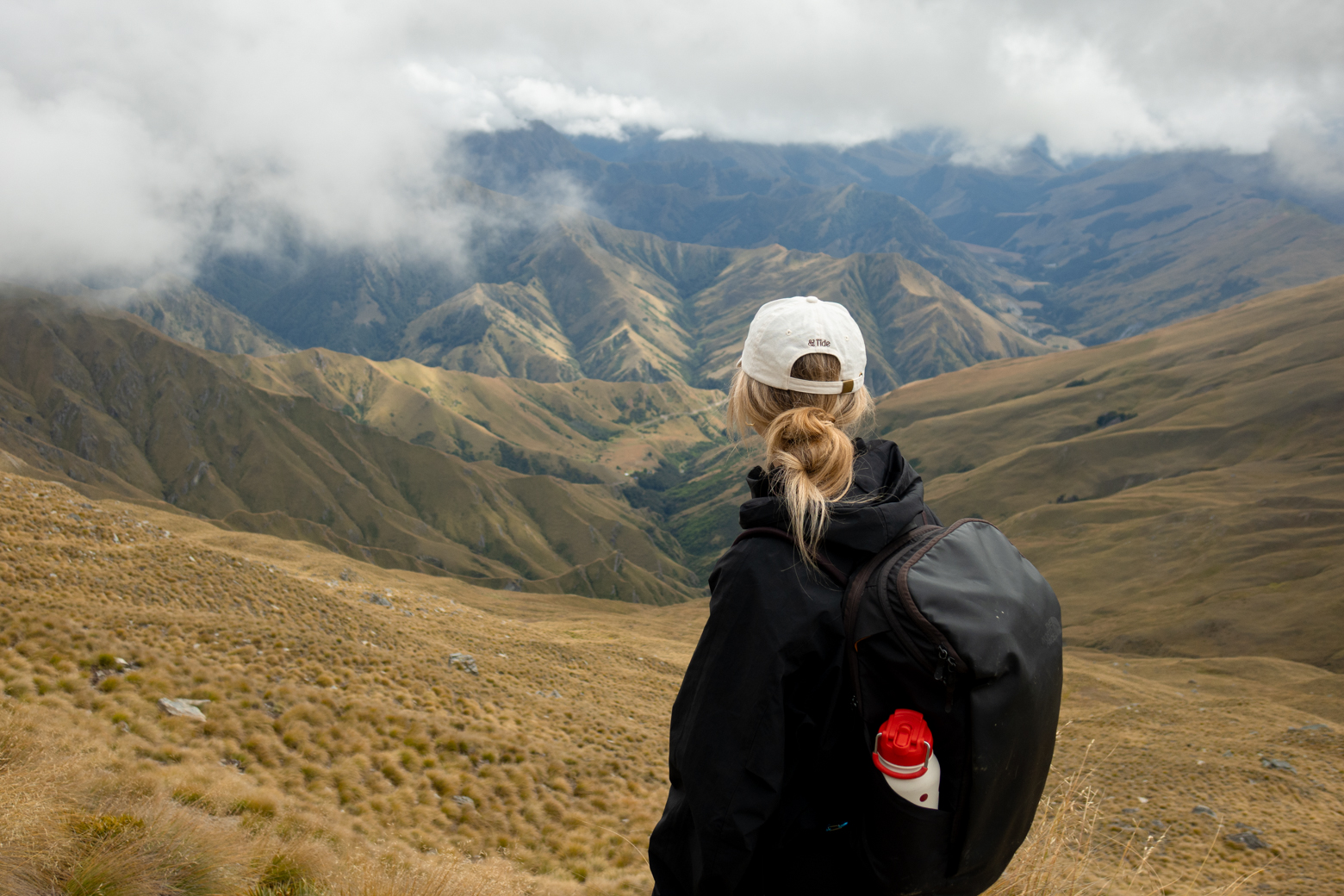
- A hat and sunglasses — the UV is strong in New Zealand, don’t underestimate it.
- Sun cream — high SPF, and reapply often.
Pro Tip: Short on space? If you’re picking up your van from a city like Christchurch or Queenstown, op shops (charity shops) are your best friend. Grab a chunky jumper for a few dollars and donate it back at the end of the trip.
3. Footwear
Three pairs of shoes is the sweet spot for van life:
- Easy slip-on shoes (Crocs are ideal) — for quick morning toilet runs, campsite wandering, and public showers. Bonus: they double as shower shoes, which saves packing a separate pair.
- Hiking boots — you’ll spend most of your time in these. Invest in a good pair before your trip.
- A comfortable pair of sandals — perfect for post-hike town wandering when your feet need a break.
4. Toiletries and First Aid
Stick to your personal essentials, but don’t skip these:
- SPF lip balm — a small thing that makes a big difference on long hike days.
- A basic first aid kit: plasters, blister plasters, antiseptic cream, and any medications you might need. Being rural means a pharmacy could be an hour’s drive away.
- Any prescription medications you take regularly — and a little extra, just in case.
Get lifetime access to my endless hours of research and time spent on the ground finding the best places to eat, drink, relax and explore in New Zealand. You simply open the Google Map on your device and ALL my recommendations are at the touch of your fingertips.
5. Van Life Essentials
These are the things that make the difference between surviving and thriving in a campervan:
- Microfibre towel — quick-drying and compact. You don’t want a damp towel mouldering in your van. A double-walled insulated water bottle that keeps your water cold on hikes and saves you buying plastic bottles on the road.
- A tote bag or reusable shopping bag — folds up to nothing, and is endlessly useful for beach days, market runs, and waterfall visits.
- Tupperware — slightly niche, but genuinely useful. Great for packing hiking lunches, storing leftovers in the van fridge, and keeping smells contained. If you make a big batch of pasta one night, future you will be very thankful.
- Earplugs and an eye mask — campsites can be noisy and vans can be bright in the early morning. Small things, big impact.
6. Camera Gear
New Zealand is one of the most photogenic countries on earth. Please don’t rely solely on your phone camera (though it’ll do fine in a pinch).
- A camera — mirrorless, DSLR, compact, GoPro, whatever you have. Just bring something.
- A drone — if you own one, this is the trip to bring it. The aerial views of the South Island are extraordinary. That said, do your research on where drones are permitted — look out for ‘drones prohibited’ signs, particularly around national parks and towns.
7. Nice-to-Haves (If You’ve Got the Space)
- A dry bag — essential if you’re kayaking or doing water activities. Keeps your phone, keys, and wallet dry while you’re out on the water.
- A small daypack — for hikes, keeping your hands free and your gear organised.
One Last Thing Before You Go
Don’t stress too much if you forget something. The South Island’s main towns — Christchurch, Queenstown, Wanaka — are well-stocked adventure towns with plenty of gear shops and supermarkets. If you realise mid-trip that you need an extra layer or forgot your blister plasters, you’ll find what you need. The most important thing is getting yourself on the road.
And if you want the full picture — the exact itinerary, the best hikes, the coffee spots worth stopping for, and a curated Google Map with everything pinned — all of that is available via the links in the description. Happy adventuring.
Have you been to New Zealand?
Anything you’d add to this New Zealand packing list for a road trip?
Love as always and happy adventuring…
Get lifetime access to my endless hours of research and time spent on the ground finding the best places to eat, drink, relax and explore in New Zealand. You simply open the Google Map on your device and ALL my recommendations are at the touch of your fingertips.

