


After years of hyping up protein at every opportunity, fiber is finally the macronutrient of the moment — and we couldn’t be happier. From trends like fibermaxxing to simply leaning into more high-fiber foods, it seems we’re finally ready to give fiber the attention it deserves.
Not only is fiber intake crucial for healthy and comfortable digestion, but it has been found to help manage blood pressure, balance cholesterol, reduce the risk of colorectal cancer, and potentially improve blood glucose levels and weight control in people with diabetes. According to a new study, getting enough fiber may even contribute more to the management of these symptoms than metformin, the main first-line medication used to treat diabetes1.
Recent Research Confirms Benefits of Fiber Intake
The new study, which was published in Frontiers in October2, divided 48 recently-diagnosed type 2 diabetes patients into two groups. One group was instructed to use provided fiber supplements and to incorporate sources of fiber into their diet, including vegetables, fruits, legumes, and mushrooms; the other received metformin. Researchers found that not only did the fiber intervention improve HbA1c, BMI, and average blood glucose levels more than metformin, but they also identified a measurable increase in Bifidobacterium and Lactobacillus in the gut after just 84 days, confirming pre-existing research regarding the effects of increased dietary fiber on gut health.
While these new findings are certainly exciting, experts note a few elements to be aware of before drawing any dramatic conclusions. “This was a small 84-day trial, so I’d call it promising rather than proof,” says Justin Kempf, a Certified Integrative Health Practitioner (IHP Levels 1 & 2) and founder of Executive Functional Healing. Emer Delaney, BSc (Hons), RD also notes that the intervention group ate less than the metformin group, meaning “some of the weight loss and blood sugar control benefits could have come from this.”
Despite these caveats, experts say the study findings are promising in more ways than one. Kempf was particularly impressed with how quickly increased fiber intake impacted gut microflora, increasing good bacteria and reducing the presence of a hydrogen sulfide-producing bacterium within just 28 days.

Both Avery Zenker, MAN, RD, Registered Dietitian at CrohnsandColitisTeam (MyHealthTeam) and Alexander LeRitz MSc RDN CDN CNSC CPT, Registered Dietitian at JM Nutrition lingered on the way the study seems to suggest that it’s not just the quantity of fiber, but the variety of types of fiber that provide the most benefits.
“I do find it interesting that this study suggests that the response to the high-fiber intervention may be related to one’s existing gut microbiome, while the researchers also point out previous research that suggests that responses can vary based on the specific type of fiber3,” says LeRitz. “My takeaway would be instead of thinking of all types of fiber as interchangeable, that different fibers may feed different gut bacteria and produce different responses.”
How to Increase Fiber in Your Diet
While more research is certainly warranted, it seems safe to say that adding more fiber — from a range of sources — is a great way to improve metabolic health. But how much fiber per day do we actually need? Well, figuring out how much to shoot for is a matter of understanding your own body.
“I look at each person’s gut and symptoms rather than using one number for everyone,” says Kempf. That said, according to Johannah Katz, MA, RD, “A useful target is approximately 14 grams of fiber per 1,000 calories consumed, or about 28 grams daily for someone eating 2,000 calories.”
Looking for some tips on how to get more fiber in your diet? Our experts have a few bits of advice.
Start Slow
As you start to incorporate more fiber into your day, one of your hesitations might be: Does fiber cause bloating? Technically, the answer is that it can. To avoid this, our experts agree: When increasing fiber intake, it’s crucial to start gradually.
“If someone goes from eating little fiber to suddenly eating a very high-fiber diet, they may be prone to experience bloating, gas, or abdominal discomfort, so it is recommended to increase over time,” explains LeRitz.
Delaney agrees. “’Slow and steady’ is my main advice. If you have a low fiber intake, suddenly adding a large amount of fiber can cause bloating, wind and general discomfort, as your gut is not used to it.”
“Don’t suddenly start your day with a large bowl of bran cereal that contains 20 grams of fiber,” adds Zenker. “Spread fiber evenly throughout the day.”
Find a Variety of Enjoyable Sources
For our experts, the best way to consider adding fiber to your routine is to think of it less as a prescription than as a fun way of varying your diet.
“The most effective way to increase [fiber] is to build it into everyday meals, rather than treating it as an extra nutrient to focus on,” says Harman Bajwa, a Registered Nutritionist (RNutr) with experience across FMCG and the NHS. “Small, consistent changes can make a meaningful difference without making eating feel complicated.”
And for LeRitz, the best way to start is by focusing on fiber sources you already know and like.
“I always recommend starting by adding sources of fiber into the diet that you enjoy,” says LeRitz. “For example, as fall and winter roll around, many people like the warmth and flavor of a good bean chili. Beans are high in fiber and pair very well with other vegetables in a chili like peppers and tomatoes which also contribute varying types of fiber.”

Don’t feel limited to chili, either — try out a vegan burrito bowl one day, make homemade refried beans another! Indeed, leaning into variety is a win in more ways than one: It will help reduce the potential for digestive discomfort and also contribute a range of nutrients.
“There are so many types of fiber which each influence the body differently,” explains Zenker. “Try the 5,4,3,2,1 fiber goal. Every day, aim for 5 different veggies, 4 different fruits, 3 different whole grains, 2 different nuts/seeds, and 1 type of legume. By meeting these targets, you’ll likely be at your daily fiber goal or close to it.”
Make Small Swaps
Sometimes, increasing the fiber content of a meal is just about finding a slightly higher-fiber version of something you were already planning to consume, like picking whole grains instead of refined grains or choosing higher-fiber veggies as a side. Zenker, for example, suggests swapping a garden salad of lettuce, cucumber, and tomatoes for roasted broccoli, cauliflower, carrots, and brussels sprouts. “These veggies are higher in fiber,” she says, “and can help you meet your fiber goals [more easily].”
Another small swap you can make is to stop peeling your fruits and veggies, which, Delaney notes, “adds extra fiber without even trying.” If you’re doing this, however, note that it’s best to invest in organic produce to avoid exposure to pesticides that can be present on the outer layer of non-organic fruits and veg.
Don’t forget to optimize for your lifestyle, too. Stock your car or bag with fiber-rich snacks like nuts, seeds, or raw veggies, which are “great to munch on when you’re feeling hungry instead of going for sugary refined snacks,” she says.
That said, resist the urge to rely on fiber-supplemented foods, which, Zenker cautions, often rely on additives like inulin and chicory root. “These types of fiber can be helpful,” she says, “but they can cause bloating and gas in excess. They’re often added to packaged foods to boost the fiber content, but may be in higher amounts than some people can tolerate comfortably.”
Focus on Pulses
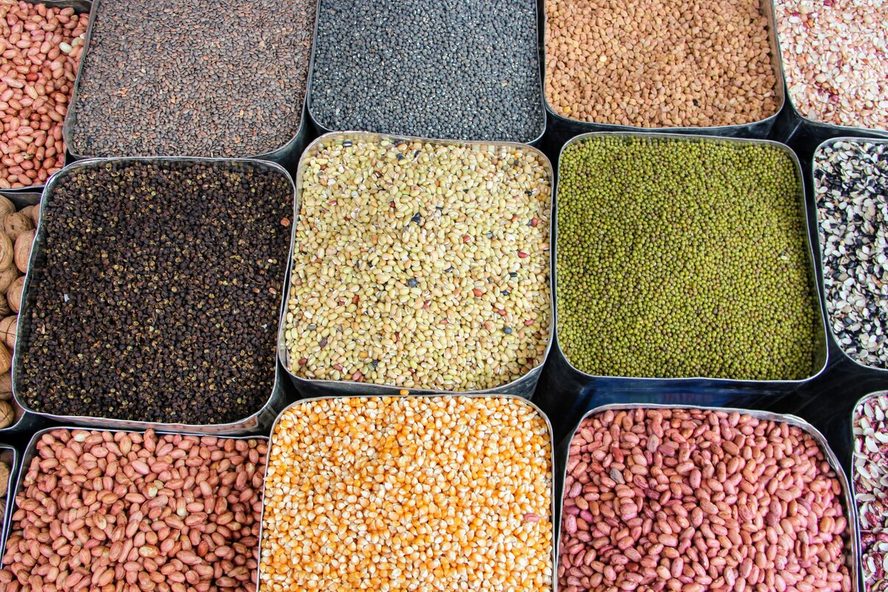
If you’re finding the wealth of fiber-rich foods to choose from a bit overwhelming, it can help to narrow your target foods to a more specific category. According to Zenker, focusing on pulses like beans and lentils is a great place to start.
“Legumes are some of the highest fiber foods, providing you some of the best bang-for-your-buck,” she explains. Bajwa agrees, noting that since they provide both fiber and protein, they easily improve the nutritional value of familiar meals.
Zenker suggests not just incorporating them into stir-fries, soups, stews, salads, creative dips, and even casseroles, but also swapping them for some starchier foods.
“For example, mix lentils in with your rice, or add pureed white beans to mashed potatoes,” she says. “Even adding beans or lentils to couscous, quinoa, or barley can significantly boost the fiber content.”
Don’t Forget to Stay Hydrated
If you’re increasing your fiber intake, it’s crucial to remember to drink more water as well.
“Make sure you increase your fluid intake when you eat more fiber, otherwise, you could become a little constipated,” says Delaney. “Increased fiber and fluid go hand in hand.”
Zenker agrees. “Water helps fiber do its job properly in the digestive tract,” she says. “Lack of water while increasing fiber can lead to digestive symptoms like bloating, constipation, gas, and abdominal pain.”
When Should You Supplement?
So, given the variety of natural sources of fiber, is there still a place for fiber supplementation? And do fiber supplements work? Whenever possible, our experts always recommend getting fiber from food sources, which, LeRitz notes, also contain vitamins, minerals, and other beneficial compounds. “Ideally, fiber supplements should be used to fill gaps in fiber intake or to address a specific need rather than being the primary or sole source in the diet,” he says.
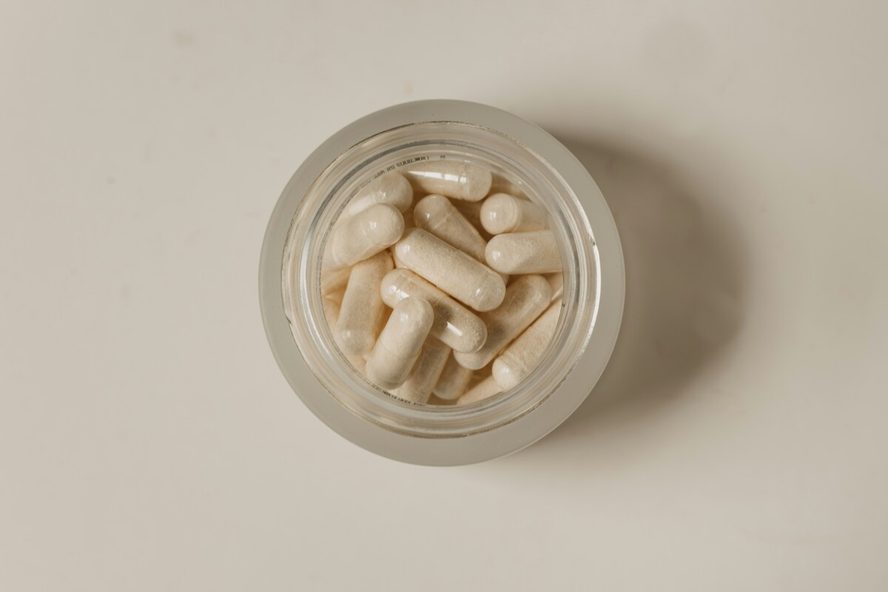
That said, supplementation may be a good idea in some cases. For example, you might reach for supplements when having difficulty consistently meeting your targeted fiber intake, or when constipation or loose stool are a problem. They can even be helpful when you’re traveling and outside of your normal routine. In these cases, Zenker notes, supplements can help reduce discomfort and support healthy blood sugar.
As for which supplements to use, it’s always a good idea to talk with your own healthcare professional. But by and large, psyllium husk or partially hydrolyzed guar gum have proven helpful for normalizing stool, and a psyllium fiber supplement may also help support healthy blood sugar, lower cholesterol, support weight loss, and promote a diverse gut microbiome4.
Still, don’t get too comfortable with fiber supplements if you can avoid it. Bajwa reiterates: “Ultimately, supplements can help fill a gap, but they shouldn’t replace a varied diet. Fibre-rich foods provide other important nutrients too, so the aim is to use supplements where they’re helpful, while maintaining a balanced diet wherever possible.”
Sources:
- https://pmc.ncbi.nlm.nih.gov/articles/PMC7212476/
- https://www.frontiersin.org/journals/microbiology/articles/10.3389/fmicb.2026.1972983/full
- https://pubmed.ncbi.nlm.nih.gov/30696735/
- https://pubmed.ncbi.nlm.nih.gov/30239559/