



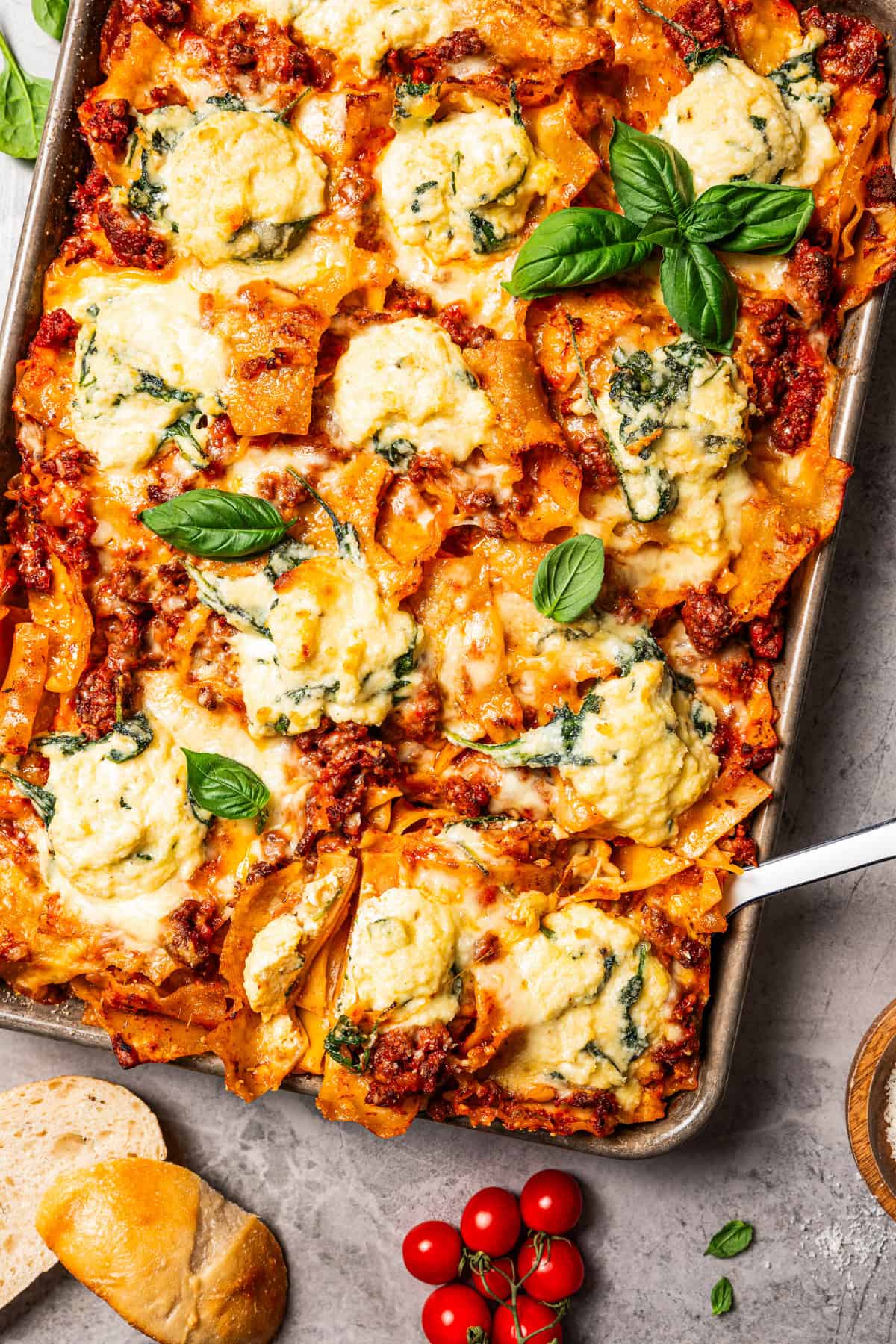
Sheet pan lasagna serves up a cheesy, delicious, golden-baked lasagna with crispy edges and no layering required (the dream!). This layerless lasagna recipe lets you mix, dump, and bake for an easier way to enjoy one of my favorite Italian dinners.
My Take On Giada’s Sheet Pan Lasagna
We are a family of certified lasagna lovers, and also Food Network-obsessed. So, naturally, when I came across Giada’s sheet pan lasagna recipe, I had to try it. Lasagna that promises crispy edges, no layering, and bakes in 30 minutes? Sold.
I already love lazy comfort food meals like crockpot lasagna and ravioli lasagna, so a cheesy lasagna recipe that packed those flavors into a sheet pan was hard to resist.
I’ll admit, this isn’t exactly less work than a traditional lasagna, but it is easier work if you aren’t a fan of layering. It’s also thinner, so it bakes faster. Just cook the ingredients, spread them in a pan, dollop cheese on top, and bake.
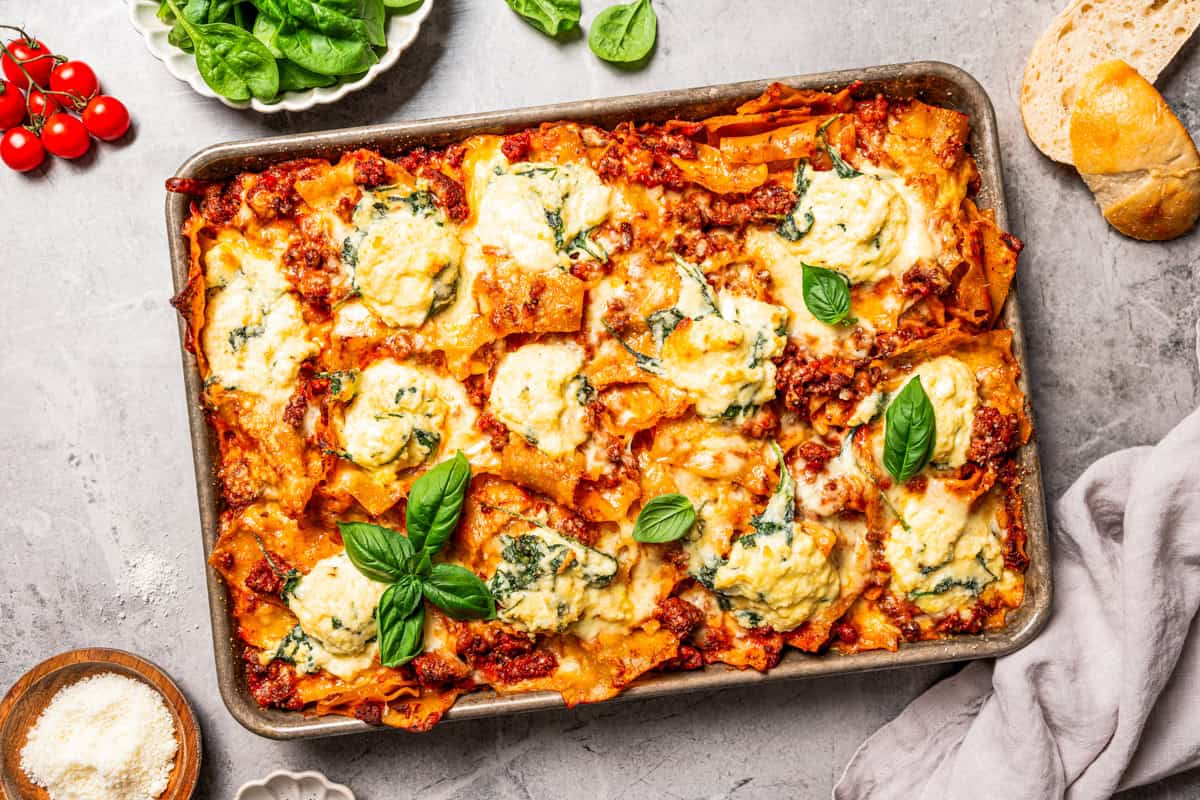
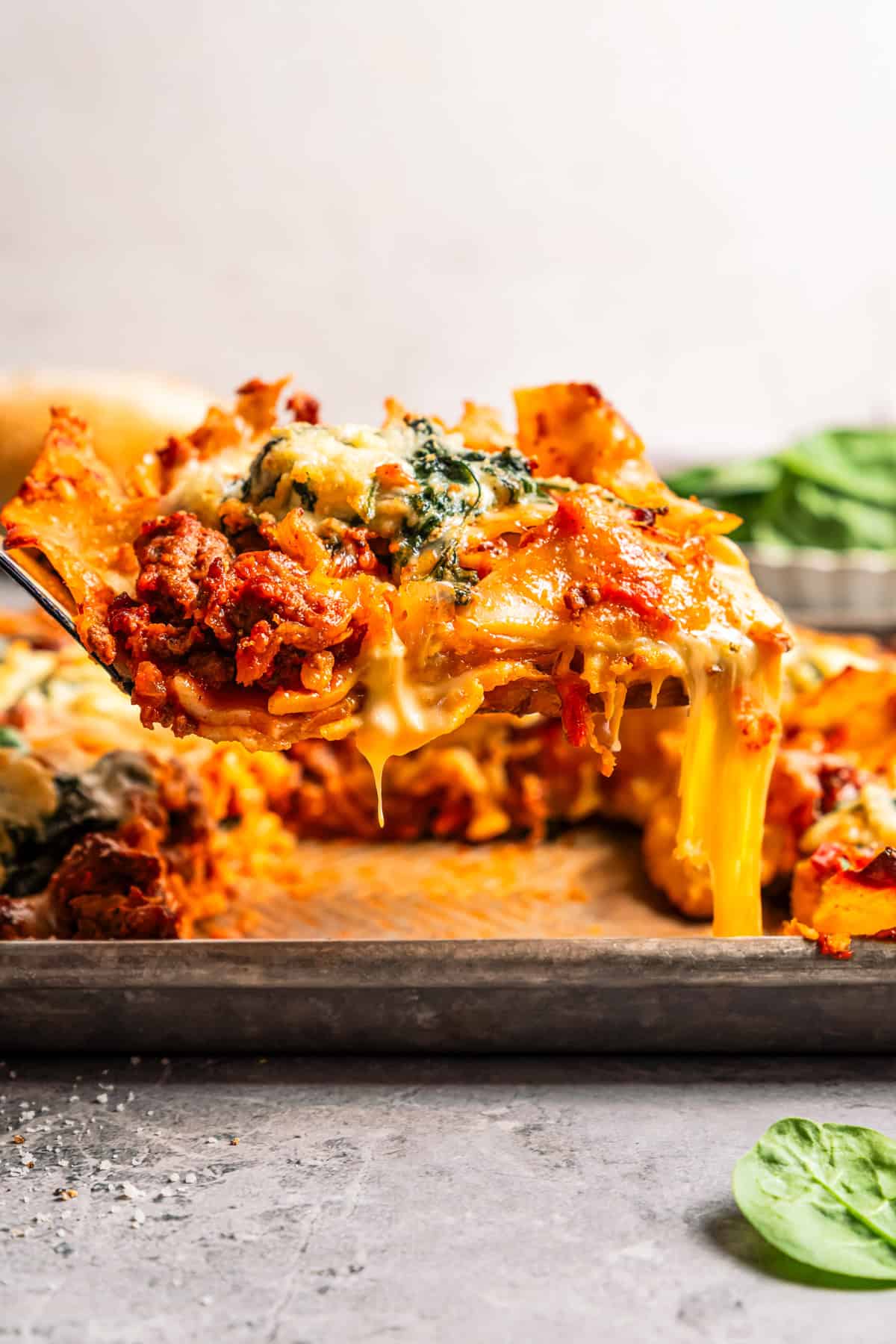
You end up with a delicious homemade sheet pan lasagna filled with savory ground beef meat sauce, plenty of crispy lasagna pieces, all topped with a baked, cheesy crust.


Your New Favorite Way to Make Lasagna
- No layering. This recipe replaces traditional lasagna layering with an easier dump-and-bake method.
- Lots of crispy bits. For the corner-piece fans! Broken-up lasagna sheets guarantee even more crispy bits covered with golden, gooey cheese.
- Cooks in 40 minutes. Because it’s thinner than regular lasagna, this version bakes in half the time.
- Family-friendly. This lasagna recipe is a bit different from Giada’s original, which uses spicy Italian sausage for the meat sauce. I tone down the spice with a quick, beef Bolognese-inspired sauce that you can spice up as you like.
After the success of sheet pan tacos and sheet pan Hawaiian chicken, I’m officially on a bit of a sheet pan dinner run. This is definitely how I’ll be making lasagna for the foreseeable future, and I think you will be, too.
Ingredients You’ll Need
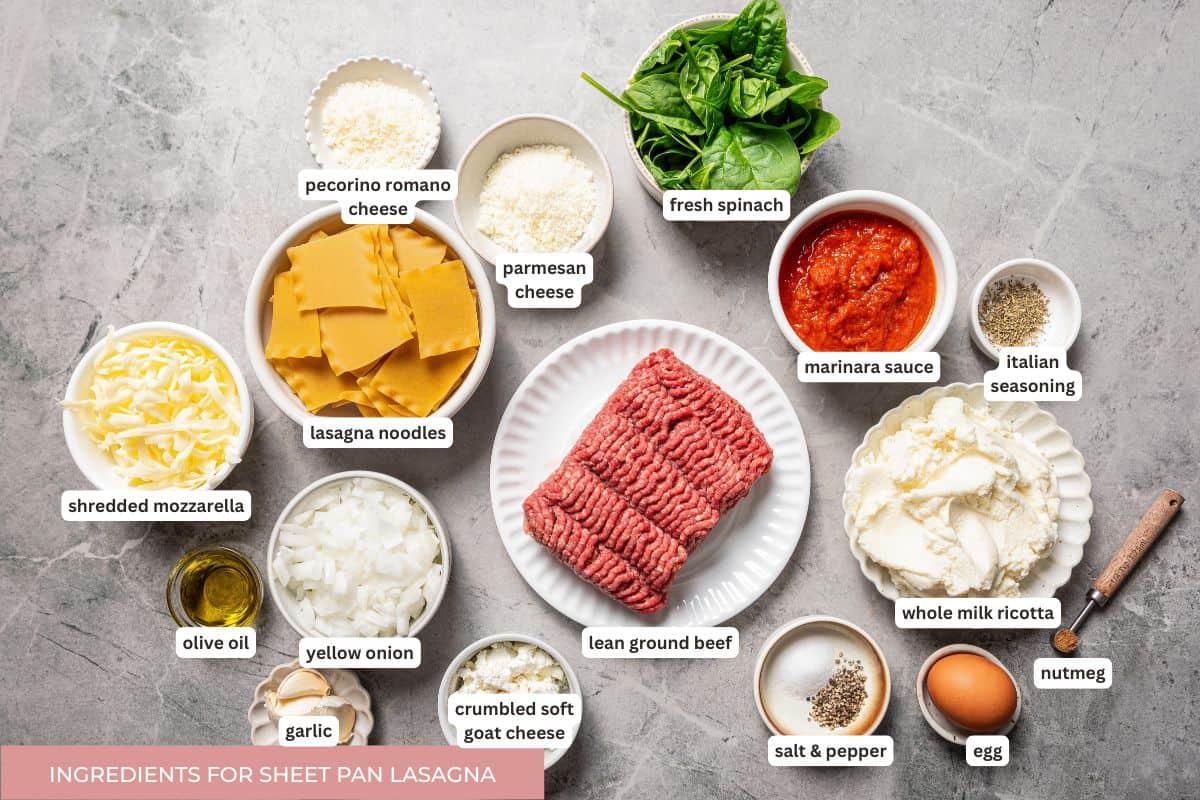
- Lasagna Noodles – Break up the dry lasagna sheets into 2-inch pieces, as you would for lasagna soup.
- Onion – Yellow onion or another cooking onion, diced.
- Ground Beef – I like to use lean ground beef. You can also switch it up! Try half pork, half beef, or make this recipe with half mild and half spicy Italian sausage, or even leftover beef ragu. Turkey and chicken are also leaner options.
- Garlic – Freshly minced, or you can replace each fresh clove with 1 tablespoon of pre-minced garlic in a pinch.
- Marinara Sauce – Choose your favorite brand or use a jar of tomato sauce or passata.
- Italian Seasoning – This can be substituted with individual dried herbs, such as oregano, basil, parsley, thyme, and marjoram.
- Ricotta Cheese – I recommend using whole milk ricotta for this oven-baked sheet pan lasagna. You’ll find it with the other specialty soft cheeses in the dairy aisle. If your ricotta looks a bit watery, drain it before using.
- Spinach – Fresh or frozen. If you’re using frozen spinach, thaw and thoroughly drain it first.
- Egg – Acts as a binder for the ricotta mixture.
- Nutmeg – Freshly grated nutmeg offers the absolute best flavor, but ground nutmeg will work, too. If you dislike nutmeg, you can skip it.
- Pecorino and Parmesan Cheese – Pecorino is made from sheep’s milk and has a tangier, sharper flavor, while Parmesan, made from cow’s milk, is milder and nuttier. I like to use both in my lasagna filling, but you can use either as needed.
- Goat Cheese – Last but not least, goat cheese is my secret ingredient that gives this lasagna a punch of tangy, creamy flavor. Optional, and you could swap in feta cheese or even extra Pecorino or Parmesan if you prefer.
- Mozzarella – Mixed with additional grated Parmesan to sprinkle on top of the lasagna. It’s what gives the top its crisp, melted, golden crust.
Recipe Tips and Variations
- Do not overcook the noodles. Break up the lasagna sheets into 2-inch pieces. Cook just until the noodles are al dente. The noodles will continue to cook in the sauce while the lasagna bakes. Avoid overcooking so you don’t end up with mushy noodles.
- The sauce will be thin. This is a good thing! The noodles soak up that extra sauce during baking.
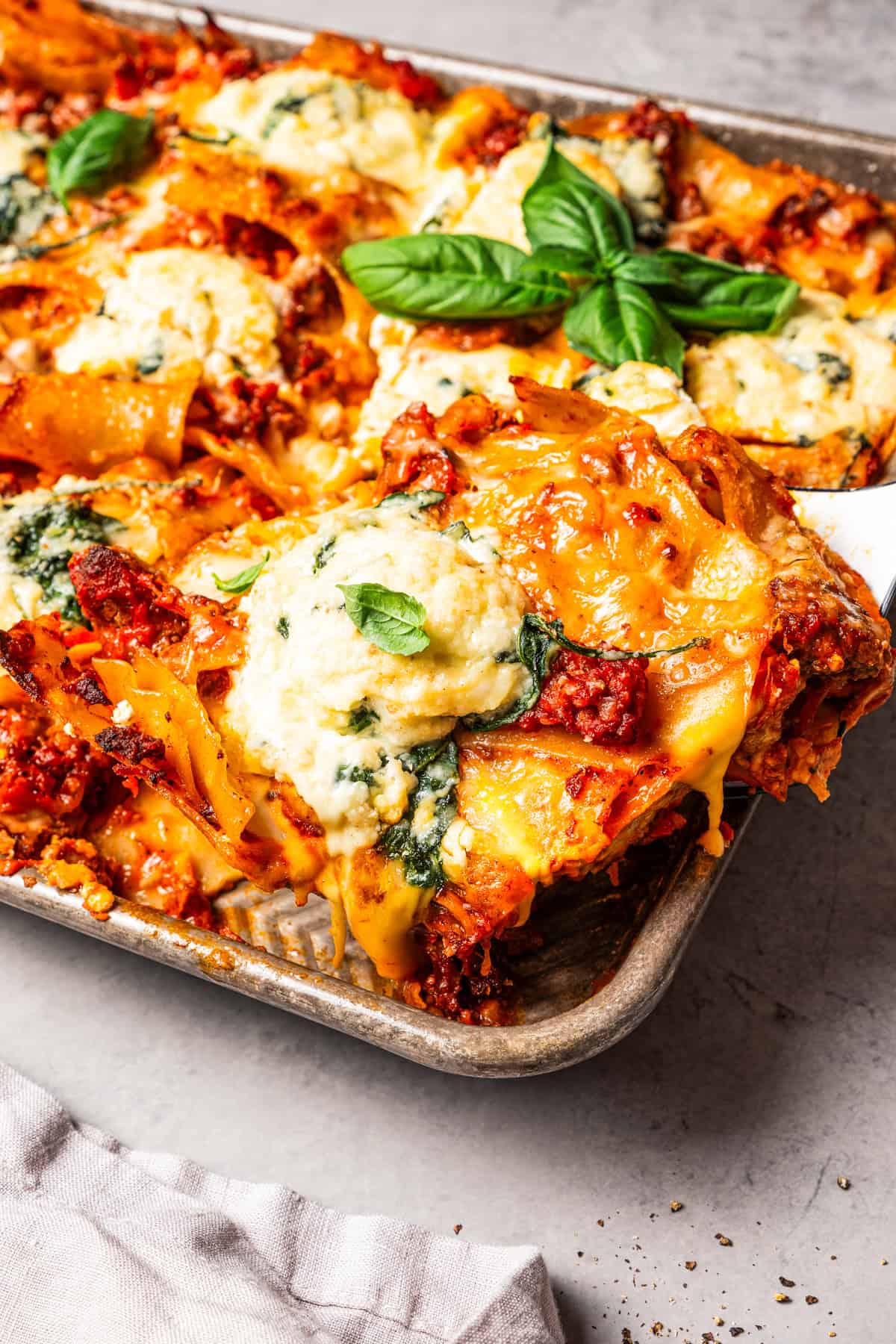
- Dollop, don’t smear. Dollop the ricotta mixture over the filling. This creates creamy pockets of cheese for the best cheesy lasagna. Do not smear it.
- Grease the pan. You can be generous with your oil or cooking spray here. No one wants a stuck lasagna! It’ll also save you the extra soaking and scrubbing.
- Grate the cheese. I always prefer freshly grated cheese in my lasagna recipes. It melts much more smoothly. Pre-shredded cheese will still be tasty; it just won’t be quite as uniformly melted.
- Make it spicy. Swap a portion of the ground meat with hot Italian sausage, or add crushed red pepper flakes to the sauce.
- Béchamel. For a more traditionally inspired sheet pan lasagna Bolognese, swap the ricotta mixture in this recipe with béchamel sauce. Spread a little in the pan before you dump in the lasagna ingredients, then add a little on top before you finish with mozzarella and Parmesan.
- Let it rest. The sauce will be piping hot, and the texture may be a bit soupy when it’s fresh from the oven. Let the baked lasagna cool and thicken for at least 10 minutes before you slice it.
FAQ
I don’t recommend oven-ready/no-boil lasagna noodles in this sheet pan recipe, as they won’t have the best texture.
If you don’t have lasagna sheets, just about any short pasta makes a good substitute. You can make it more like a traditional baked pasta with ziti or penne, and it’ll still be delicious!
Bake this sheet pan lasagna uncovered for a crispy top. If you’d prefer less-browned cheese, however, you can cover the lasagna while it bakes.
Yes! Assemble your lasagna as directed, but leave it unbaked. Instead, cover the pan with foil or plastic wrap and refrigerate until it’s time to bake.
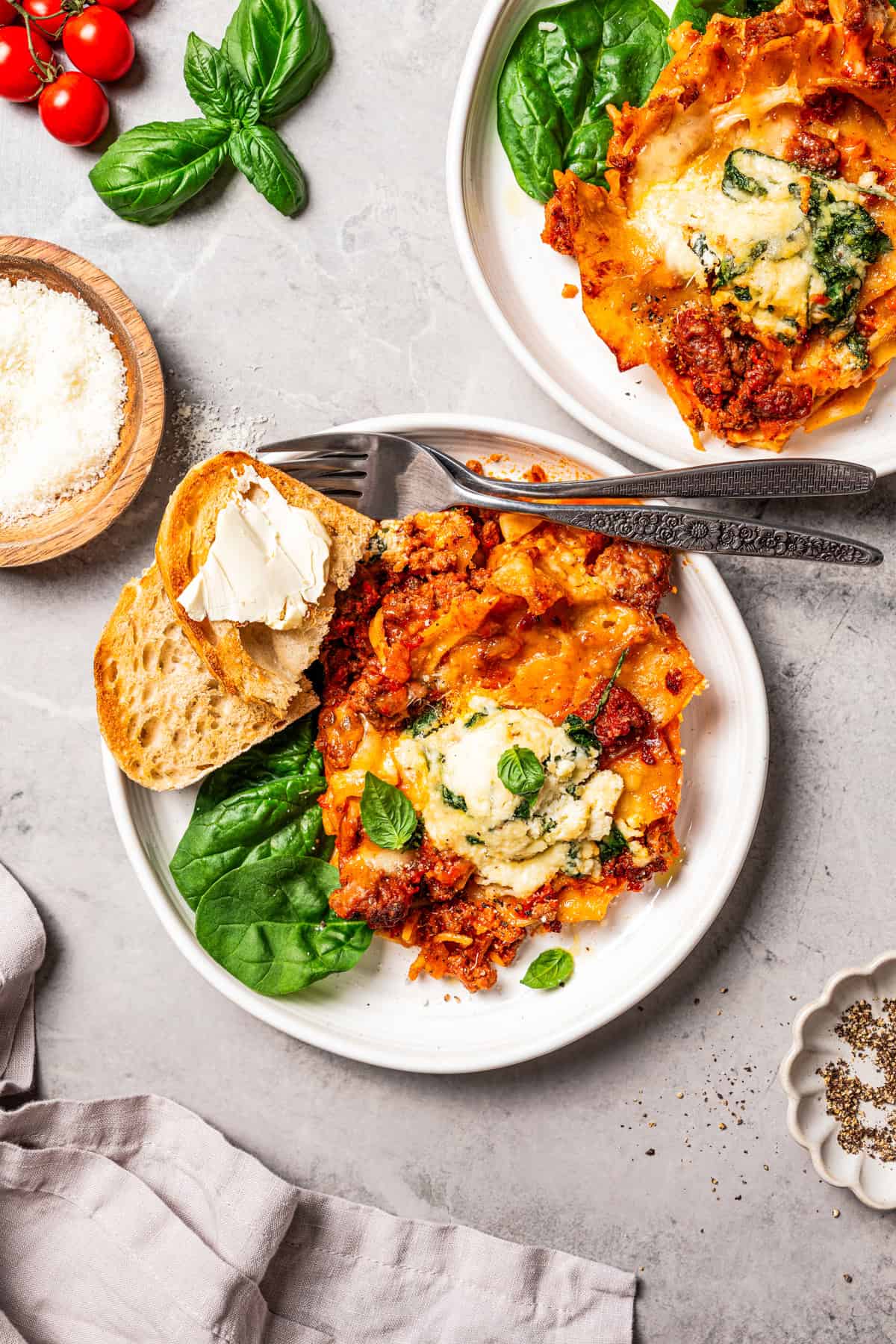
What to Serve With Sheet Pan Layerless Lasagna
Just like a regular lasagna, this sheet pan recipe pairs well with air fryer garlic bread or fluffy focaccia bread for sopping up the extra meat sauce. These are more of my favorite ways to make it into a meal:
Pin this now to find it later
-
Cook the lasagna noodles. Bring a large pot of salted water to a boil. Add the lasagna noodles (broken into roughly 2-inch pieces) and cook until al dente according to package directions. Drain and transfer them to a large mixing bowl.
-
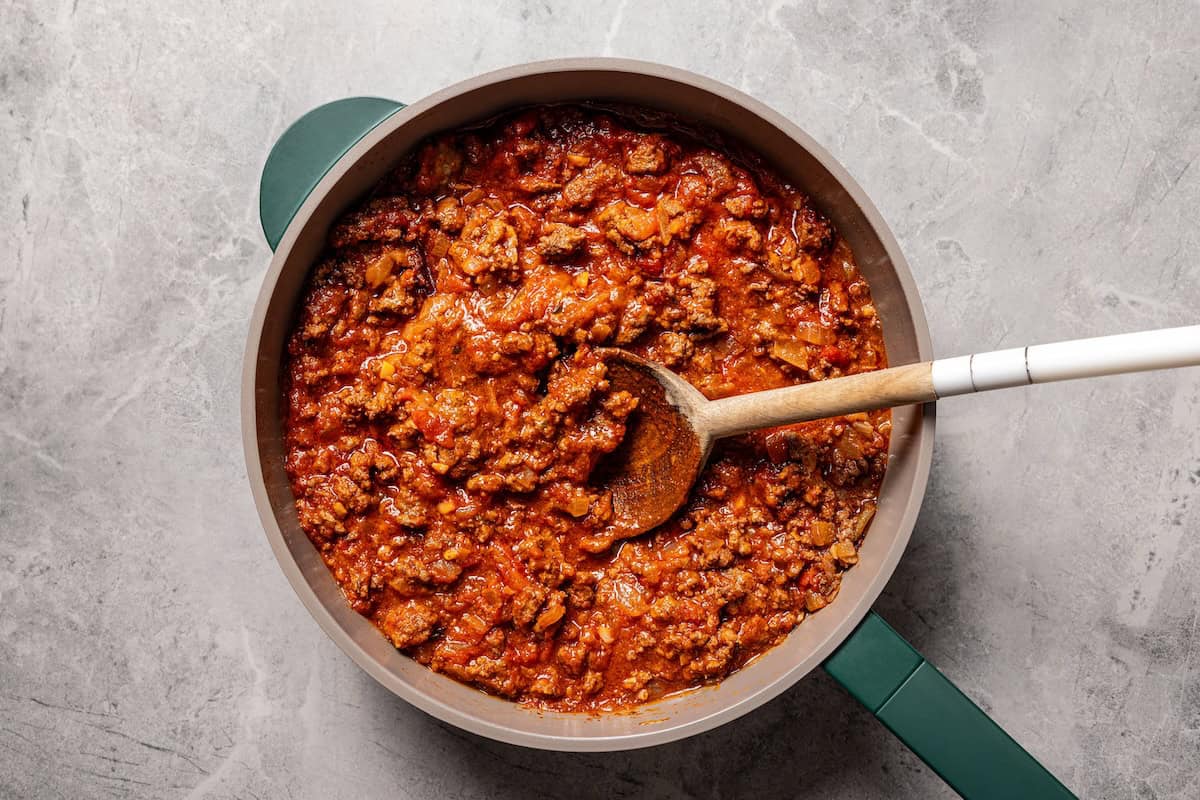
Prep the meat sauce. Meanwhile, heat the olive oil in a large skillet over medium heat. Add the onion and cook for 5 to 7 minutes, stirring frequently, until very soft and lightly golden. Add the ground beef and cook for 6 minutes, or until browned. Add the garlic and cook for 20 seconds. Stir in the marinara sauce, Italian seasoning, salt, and black pepper. Bring to a simmer and cook for 10 minutes.
-
Prepare the spinach. While the sauce simmers, roughly chop the spinach. Place it in a dry skillet over medium heat and cook for 1–2 minutes until wilted. Transfer to a plate and let cool slightly. Once cool enough to handle, squeeze out as much liquid as possible and chop once more.
-
Make the ricotta mixture. In a mixing bowl, combine the spinach, ricotta, egg, nutmeg, salt, pepper, Pecorino Romano, ¼ cup Parmesan, and goat cheese. Mix until combined.
-
Prep for baking. Preheat the oven to 350ºF. Lightly grease a 13×18-inch sheet pan.
-
Assemble the lasagna. Pour the meat sauce into the bowl with the cooked pasta. Add 1 cup mozzarella and 1 cup Parmesan. Mix until everything is evenly coated. Spread the pasta mixture evenly in the sheet pan. Then, dollop spoonfuls of the ricotta mixture all over the top. Sprinkle with the remaining mozzarella and Parmesan.
-
Bake the lasagna. Bake for 30-40 minutes, or until bubbly and golden brown.
-
Serve. Remove the lasagna from the oven and let it cool for 10 minutes before serving.
- Instead of fresh spinach, you can use thawed, thoroughly drained frozen spinach.
- Do not overcook the noodles. The lasagna is baked additionally, so you do not want to end up with mushy noodles.
- The sauce may look thinner, but that is okay. The lasagna noodles need extra liquid to cook up nicely.
- Dollop, don’t spread. Add dollops of ricotta to get creamy pockets of cheese. Do not smear it.
Calories: 726kcal | Carbohydrates: 56g | Protein: 52g | Fat: 32g | Saturated Fat: 17g | Polyunsaturated Fat: 2g | Monounsaturated Fat: 10g | Trans Fat: 0.3g | Cholesterol: 157mg | Sodium: 1286mg | Potassium: 958mg | Fiber: 4g | Sugar: 6g | Vitamin A: 2877IU | Vitamin C: 12mg | Calcium: 622mg | Iron: 5mg
Nutritional info is an estimate and provided as courtesy. Values may vary according to the ingredients and tools used. Please use your preferred nutritional calculator for more detailed info.
How to Make Sheet Pan Lasagna
Broken lasagna noodles make this recipe feel more layered than your typical baked mostaccioli or baked ziti, even though the preparation is pretty much the same. Here’s how easy it is to assemble and bake a sheet pan lasagna, step-by-step.
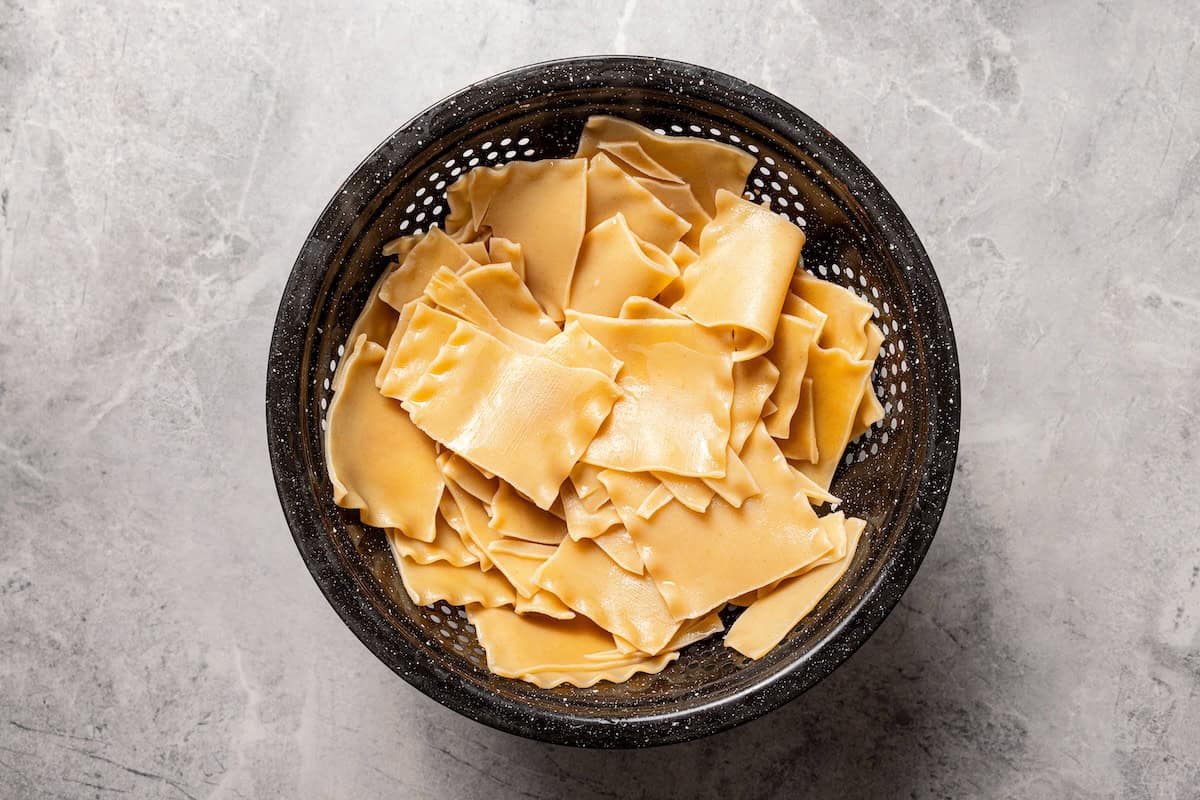
- Cook the noodles. Start by boiling the broken-up lasagna sheets in salted water. Cook until they’re al dente according to the package directions, then drain and set aside. I like to toss the cooked pasta with a little olive oil to keep it from sticking while it waits its turn.
- Prepare the meat sauce. Next, sauté the onion in olive oil over medium heat. Add the ground beef, breaking it up while it browns. Stir in the garlic, then the marinara sauce and Italian seasoning, with salt and pepper to taste. Simmer the sauce for about 10 minutes.
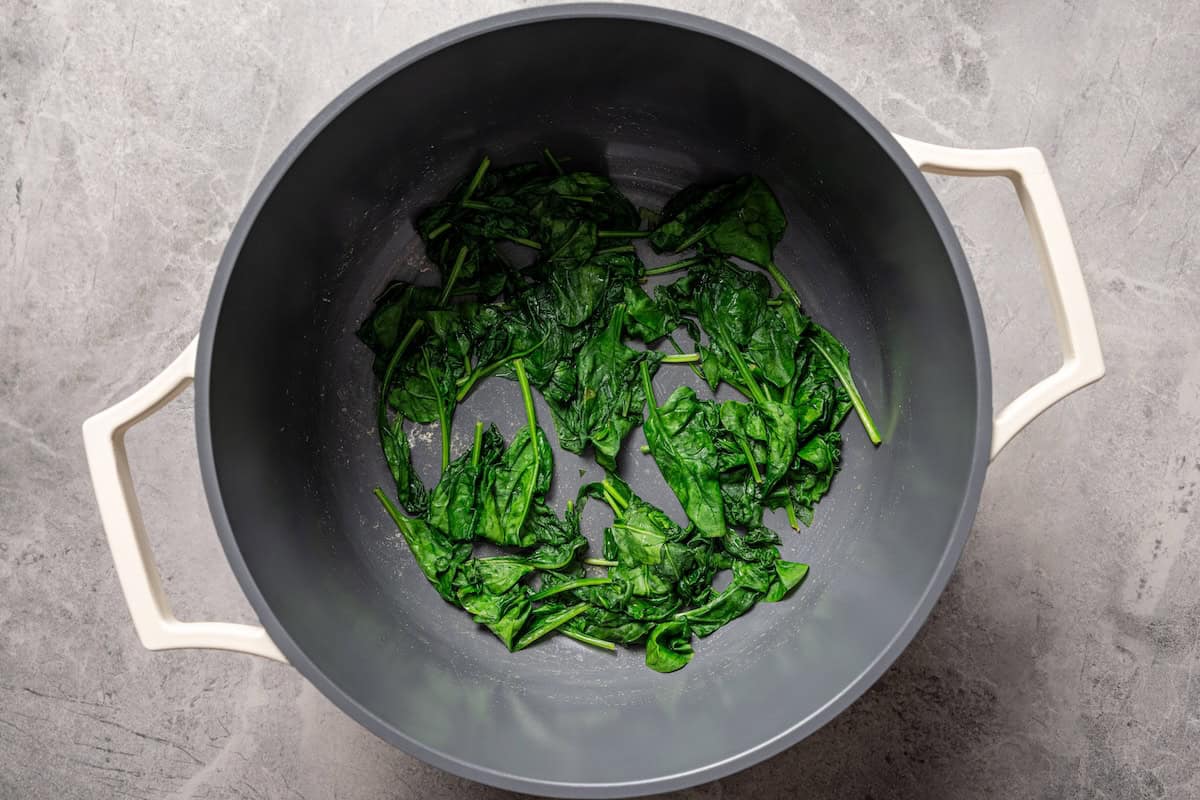
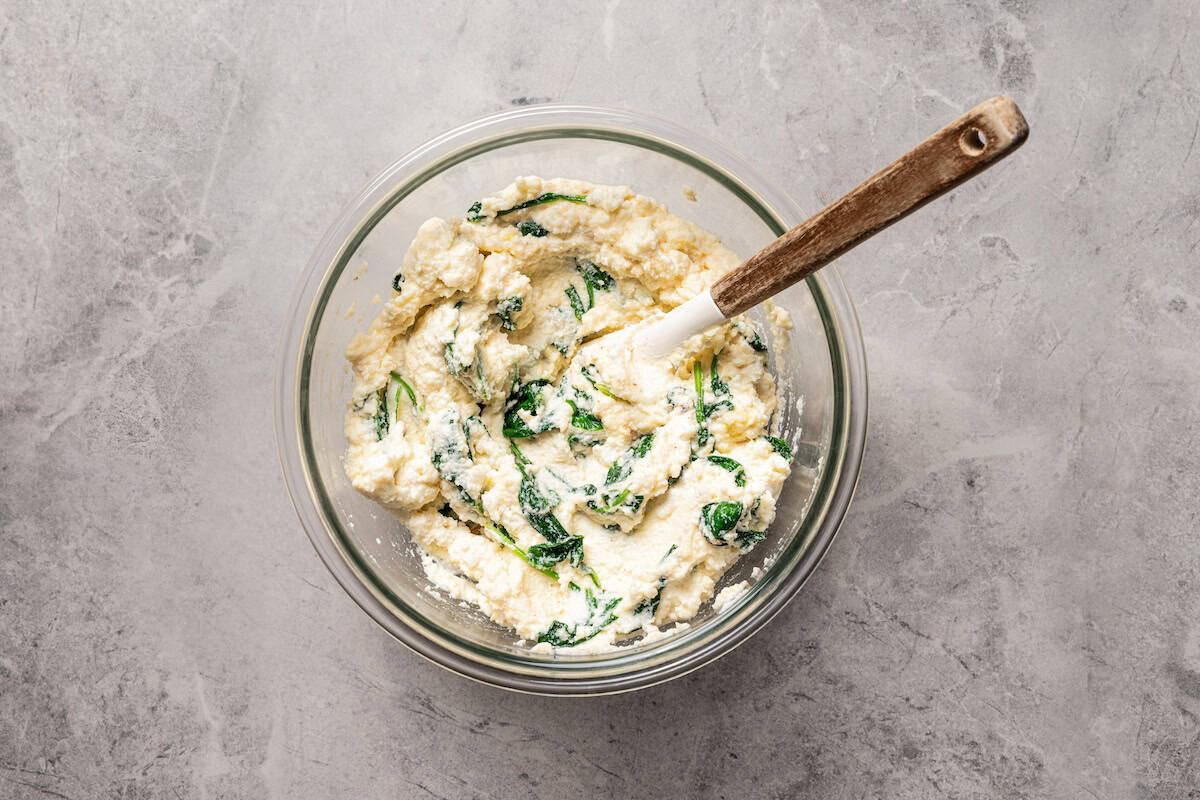
- Make the spinach and cheese mixture. Meanwhile, wilt the spinach in a dry skillet and then squeeze out the excess liquid. Chop the spinach, then add it to a bowl with the ricotta, egg, nutmeg, grated Parmesan and Pecorino, goat cheese, salt, and pepper. Mix until that’s all evenly combined.
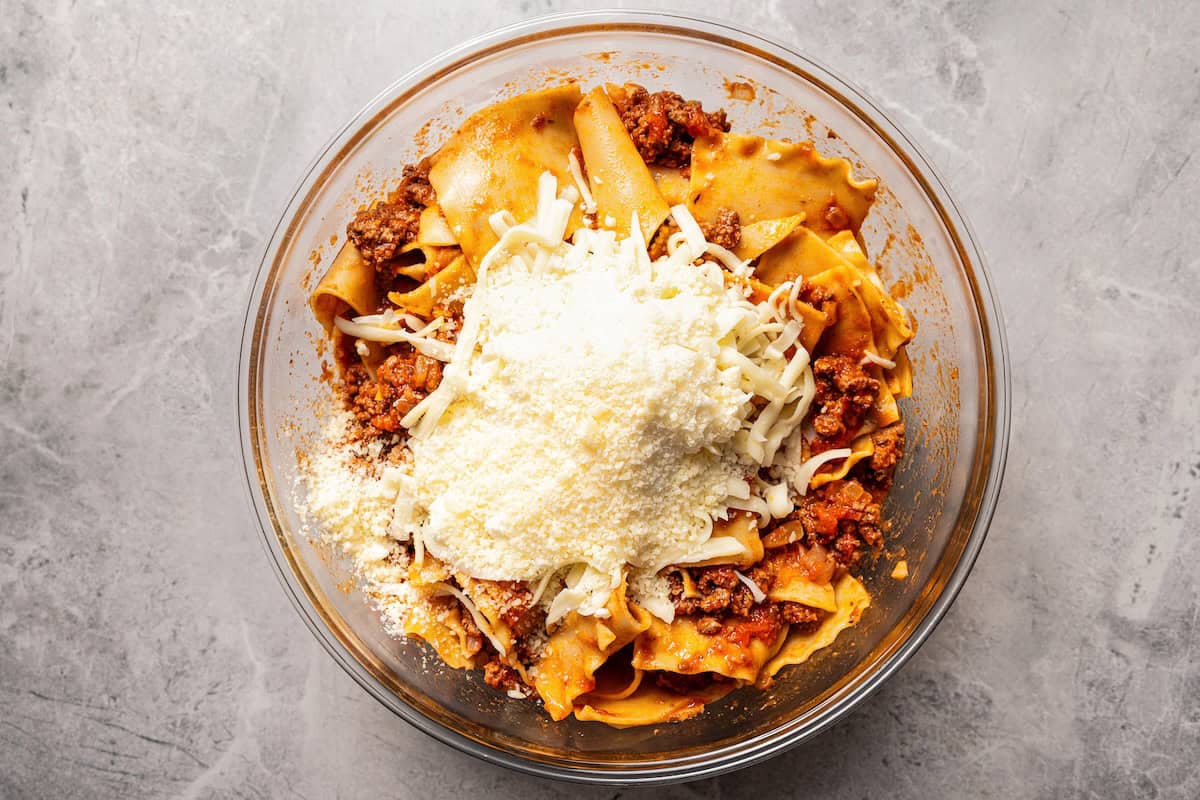
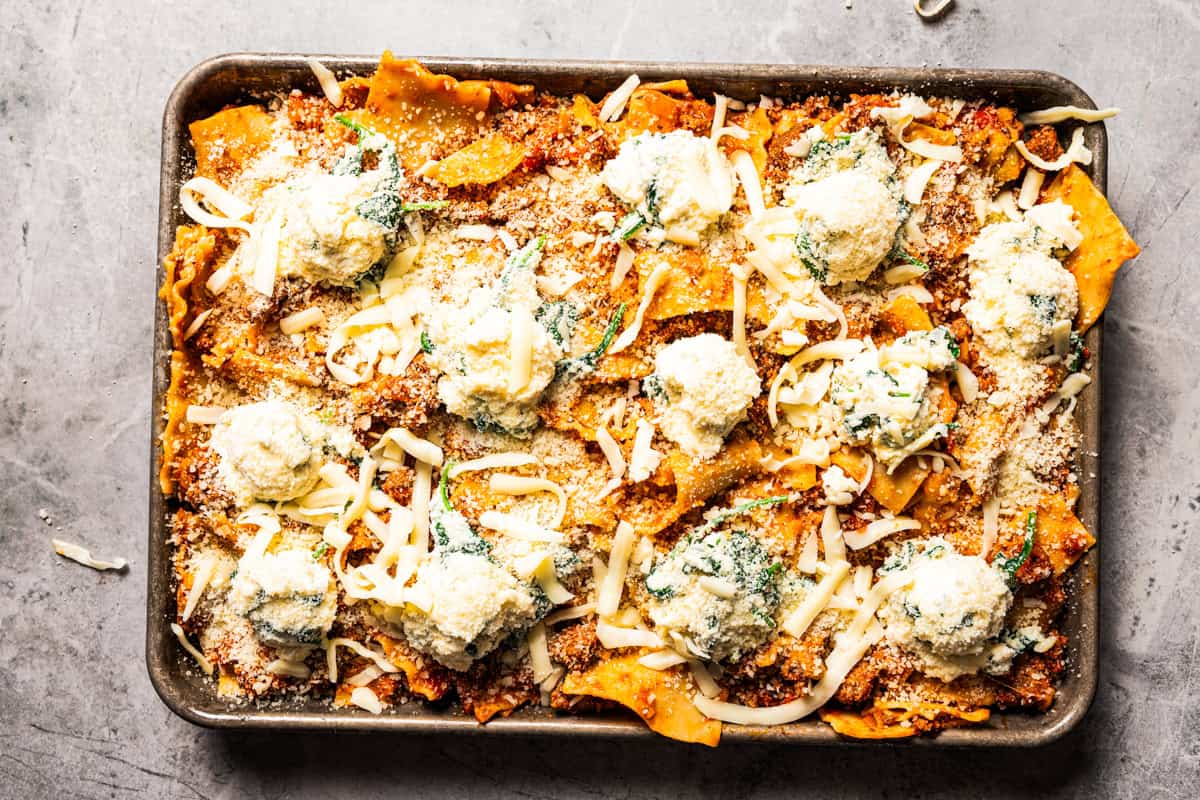
- Assemble the lasagna. Combine the meat sauce with the cooked lasagna noodles, shredded mozzarella, and Parmesan. Spread the mixture evenly into a well-greased 13×18-inch sheet pan. Next, spoon the ricotta and spinach mixture all over the lasagna. Lastly, cover the top with more mozzarella and Parmesan.
- Bake. This sheet pan lasagna bakes at 350ºF for 35-40 minutes, until the edges are crisp and bubbly and the top is golden brown. Let it cool for a few minutes, then slice and serve!
How to Store Sheet Pan Lasagna
- Refrigerate. Store the cooled lasagna in an airtight container in the fridge for up to 4 days.
- Reheat. Reheat leftover lasagna in the oven, or you can warm up individual servings in the microwave. I also like using my air fryer; it helps crisp up the edges again!

