


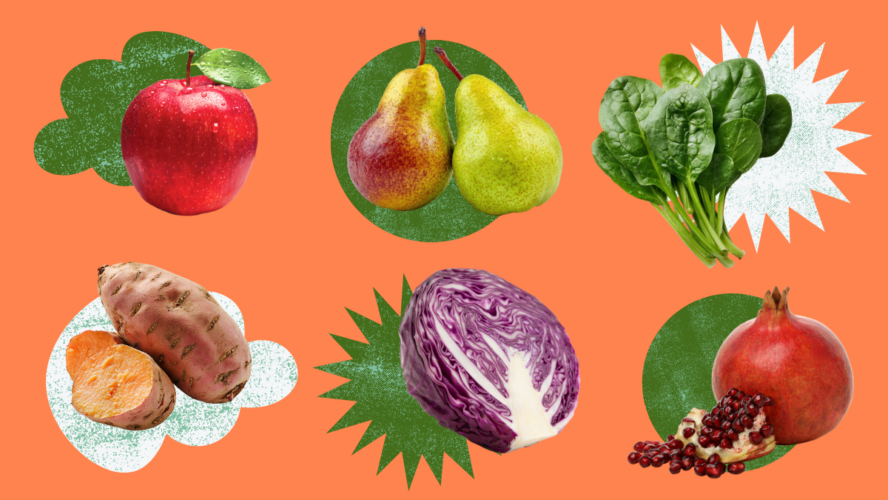
It’s always hard to say goodbye to eternal summer days (and bountiful tomatoes, peppers, and zucchini), but we’re also pumped to welcome apples, pears… and fungicides?
It turns out that just as we showcased with our spring produce guide and summer produce guide, herbicide and pesticide contamination is an unfortunate reality in the fall. Specifically when it comes to apples and pears — some of fall’s most popular produce — traces of the PFAS fungicide fludioxonil (which has been linked to neurodegeneration and behavioral problems) are fairly common. And seeing as we typically consume the peel of both of these fruits, it’s definitely something to bear in mind when making your fall produce purchases.
Luckily, we’ve got the tools to keep ourselves informed and keep our produce contaminant-free. This is thanks in large part to the annual Dirty Dozen list released by the Environmental Working Group (EWG), which showcases the produce most and least likely to be contaminated by synthetic chemicals. This annual list empowers us to shop smart and spend the money on organic when it counts — while taking advantage of conventional prices when it comes to produce that’s less likely to be contaminated.
Fall’s Dirty Dozen Picks — Buy These Organic
The EWG’s Dirty Dozen spotlights the produce items most likely to be contaminated by pesticides when grown conventionally in the United States. In other words, you can pretty much interpret the list as a shorthand for “what to buy organic.”
When you prioritize buying organic versions of the fall fruits and vegetables on this list, you substantially reduce your exposure to the pesticides the USDA data shows they carry. And when it comes to autumn bounty, there are a few items in particular to bear in mind.
Apples and Pears
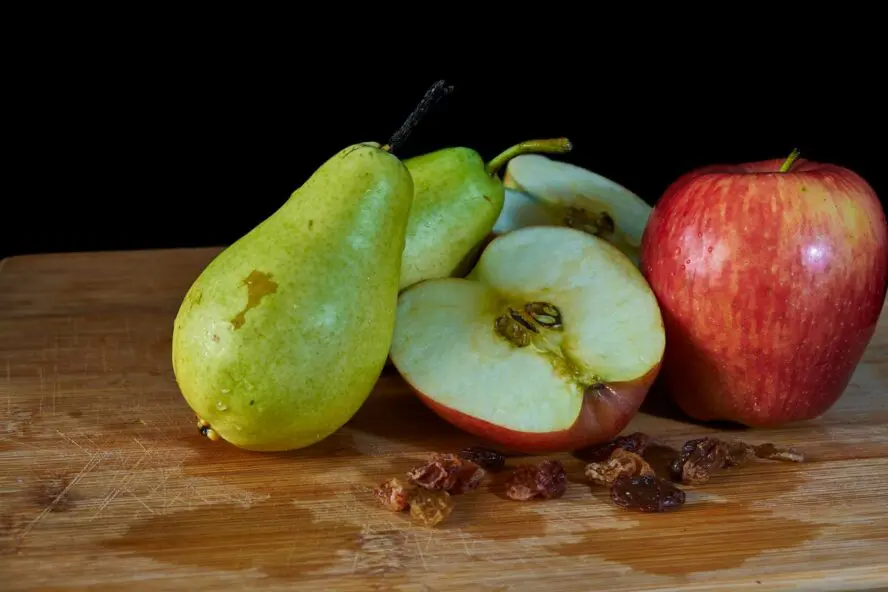
Apples and pears feature in eighth and tenth place respectively on the Dirty Dozen 2026 list.
Apples are some of the most-consumed fresh fruits in America, according to 2022/2023 data from the USDA1, with an average of 15.77 pounds of apples consumed per capita each year. And according to data from the USDA2, apples are also highly likely to be contaminated with a wide range of fungicides, notably pyrimethanil and fludioxonil. If these toxic-sounding names are scaring you, good — the former has been linked to thyroid disruption, and both have been linked to hormone disruption, particularly in men.
Another common fungicide found on apples is diphenylamine, which is typically used to prevent the skin of apples in cold storage from developing black or brown patches. It was found on about two-thirds of non-organic apple samples tested by the USDA.
While the EPA contends that diphenylamine does not pose a risk to human health, European authorities have proposed that this class of fungicides should be more heavily regulated due to its potential toxicity to aquatic organisms and possible risks to human fertility and development3. (We’re inclined to trust the Europeans on this one.) Of particular note are nitrosamines, which are carcinogenic chemicals that can form when diphenylamine is combined with compounds containing nitrogen… like apples.
The EWG has also flagged pears as another fall fruit to take note of, reporting that pesticide contamination has “skyrocketed” since 20104. Today, more than six of every ten conventional pears tested by the USDA have traces of five or more pesticides, as compared to 48 percent in 2016 and just three percent in 2010. As with apples, pears were most likely to be contaminated with fungicides like pyrimethanil and fludioxonil, as well as neonicotinoid insecticides like acetamiprid and imidacloprid, both of which are linked to potential neurotoxicity concerns5. Pears were also found to potentially be contaminated with carbendazim, a fungicide that may be toxic to the male reproductive system and could even be carcinogenic.
So what’s the common denominator between apples and pears? They both have thin, edible skin, which makes it more likely that contaminants penetrate into the fruit. If you choose to buy conventional, it’s crucial to wash these fruits well or remove the skin before consuming — but we prefer to be on the safe side and seek organic whenever we can.
Spinach and Other Leafy Greens
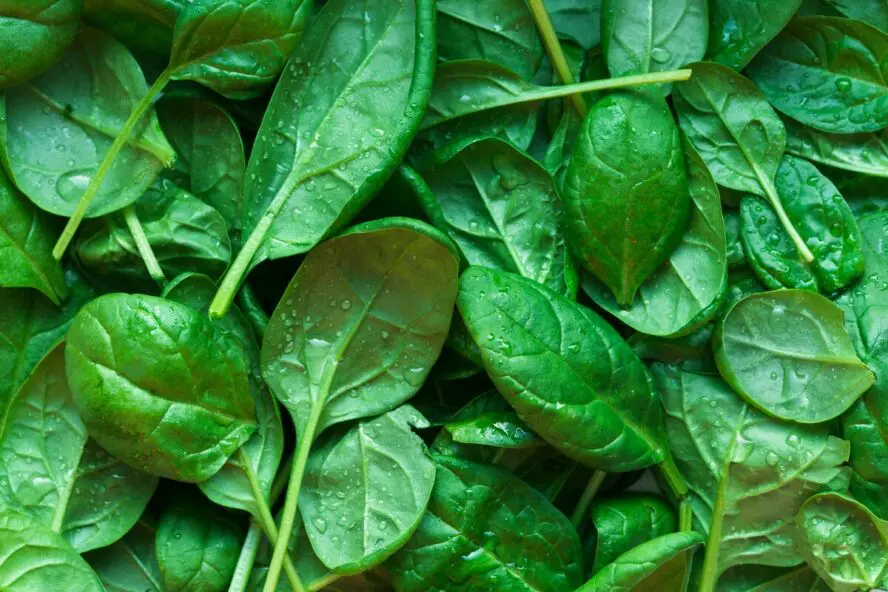
Autumn invites all manner of leafy greens into our kitchens. And since spinach tops out the Dirty Dozen list with more pesticide residues by weight than any other type of produce, we’d definitely recommend investing in organic for any baked spinach dips or cheesy spinach lasagnas this fall.
The USDA’s most recent conventional spinach tests were conducted in 2016 and show a sharp increase in pesticide residues, with 76% of samples testing positive for the neurotoxic insecticide permethrin6. The EU banned the insecticide on food crops in 2000, seeing as, even at low doses, permethrin and similar substances were associated with increased ADHD diagnosis in children. Spinach was also found to frequently be contaminated with several fungicides.
But spinach isn’t the only leafy green culprit to come into season this fall. Kale, collard, and mustard greens follow spinach in the number two slot on EWG’s Dirty Dozen list. Superfood darling kale was a particularly contaminated crop, with almost 60% of kale samples tainted by DCPA7. This pesticide was banned in the EU 15 years ago and has been considered a possible human carcinogen by the EPA since 1995.
What About Grapes?
Grapes came into season late this summer and will continue to be available through the autumn. And since they earned a 4th place spot on EWG’s Dirty Dozen, it’s important to continue to be vigilant when sourcing this thin-skinned berry. Organic grapes are the best option to reduce the risk of pesticide contamination.
Fall’s Clean Fifteen Wins — Safe to Buy Conventional
In tandem with its Dirty Dozen list, the EWG also publishes a companion list every year: The Clean Fifteen. This list comes bearing much better news — it showcases the produce least likely to be contaminated by dangerous pesticides. This points consumers towards items that can confidently (and more safely) be bought conventional, thus saving you precious dollars. Luckily, this year’s list features quite a few fall produce items we love.
Cabbage, Cauliflower, and Broccoli
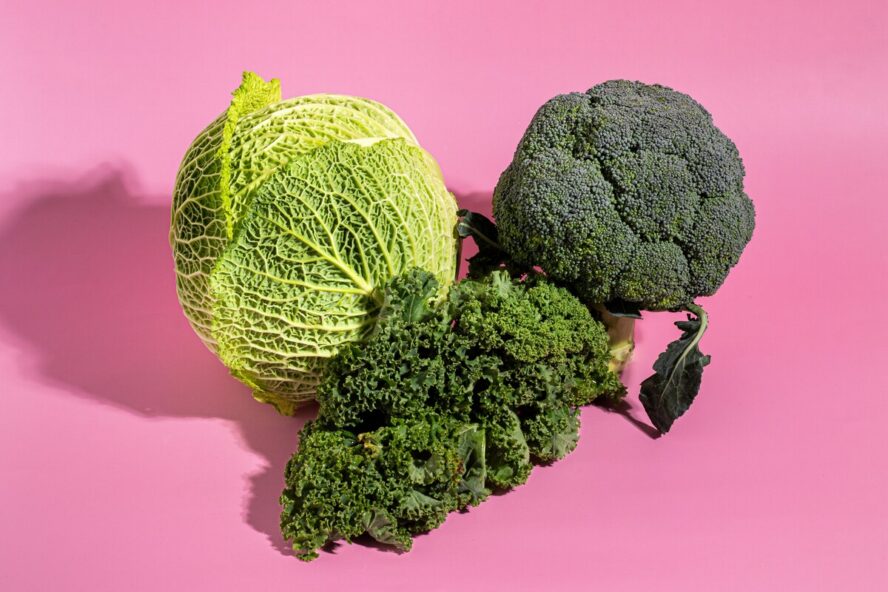
Cabbage, cauliflower, and broccoli are all members of the cruciferous vegetable family, which has been attributed with a host of health benefits8. These include anti-cancer properties and an incredible richness in gut-healthy fiber.
Broccoli in particular is rich in the compound sulforaphane, a powerful antioxidant that can actually change the growth of the microbiota in your gut, paving the way for the production of anti-inflammatory metabolites9. And luckily, cabbage, cauliflower, and broccoli have all proven to be relatively low in pesticide contamination, according to EWG.
Cabbage features in eighth place on the Clean Fifteen list, while cauliflower is just below it, in ninth. Broccoli narrowly missed its official spot, but given that it was the 16th-cleanest produce item tested, we still think it’s a pretty good bet for conventional sourcing.
Sweet Potatoes
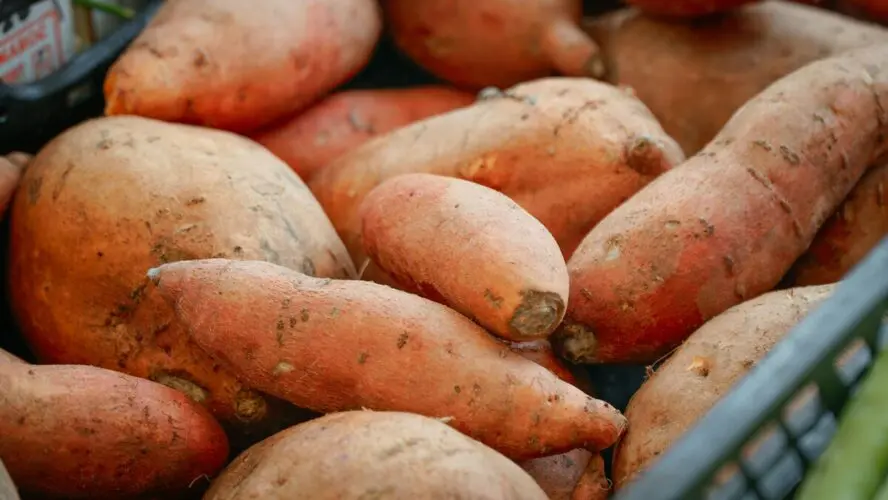
Sweet potatoes are a hardy and delicious autumn and winter staple. With their bright orange color and lovely sweet flavor — not to mention their richness in beta carotene — they’re one of the veggies we’re most excited to welcome in fall. And lucky for us, they’re also an excellent choice if you’re looking to reduce the pesticide load of your conventional grocery haul.
According to the USDA research compiled by EWG, sweet potatoes are the 18th cleanest produce item you can buy conventional. So while they didn’t quite make it on to the Clean Fifteen this year, they’re a relatively safe produce option when it comes to pesticide contamination — especially if you make an effort to peel your sweet potatoes before consuming. They’re great in a garlicky mash or simply roasted and thrown into a low-effort grain bowl.
Mushrooms
Mushrooms are another harbinger of fall, and ‘shroom lovers are in luck: They feature in 14th place on the Clean Fifteen. Not only are they a versatile, umami-rich way to add flavor to a range of dishes, they’re well known for their many health benefits, particularly of the brain-protective variety. Serve them on a bed of spaghetti squash, toss them in an herby, parmesan-filled pasta, or whip them into a vegan quiche — the possibilities are endless.
Pomegranates
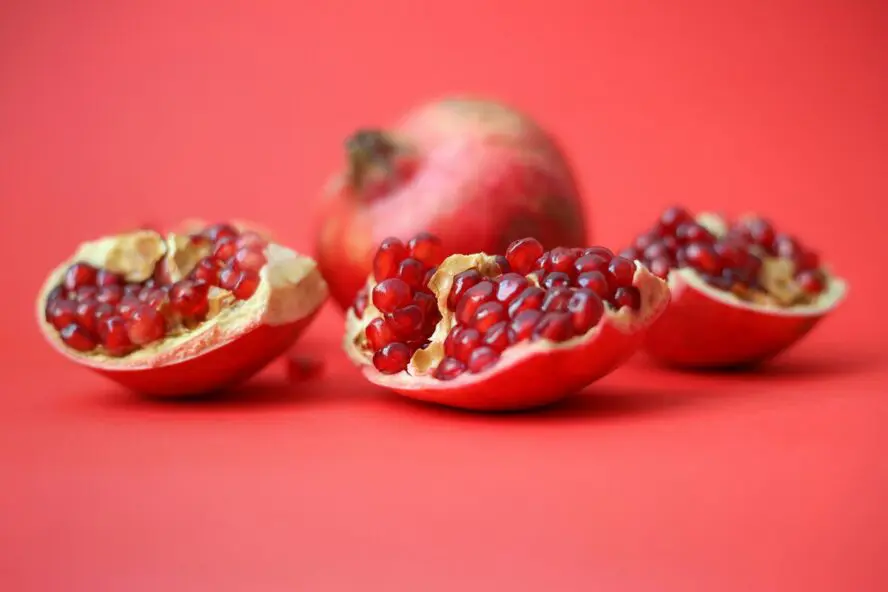
As we enter pomegranate season, we’re shining a spotlight on these ruby red, nutrient-rich gems. Pomegranates are positively packed with nutrients like vitamin C, folate, and potassium, not to mention anti-inflammatory antioxidants10. And while this fall produce item doesn’t actually feature on the EWG’s list, we’re adding it to our recommended produce items to try simply because of how it’s consumed.
Since the thick rind is always removed to get at the little arils, even if pomegranates have been contaminated with pesticides, they should be long gone by the time you get them on your plate. Be sure to wash them well before you remove the rind to reduce any potential contamination, then dig in.
Practical Tips
Whenever EWG publishes its Dirty Dozen list, it’s always with one huge caveat: The health benefits of fresh produce still outweigh the health risks posed by pesticide contamination. If conventional is all you can afford or find, don’t let the fear of pesticides get in the way of your five-a-day.
Above all, this guide is meant to be a roadmap to show you when it’s worth stretching your budget to source organic, and when it’s smart to stick to conventional and save a bit of cash.
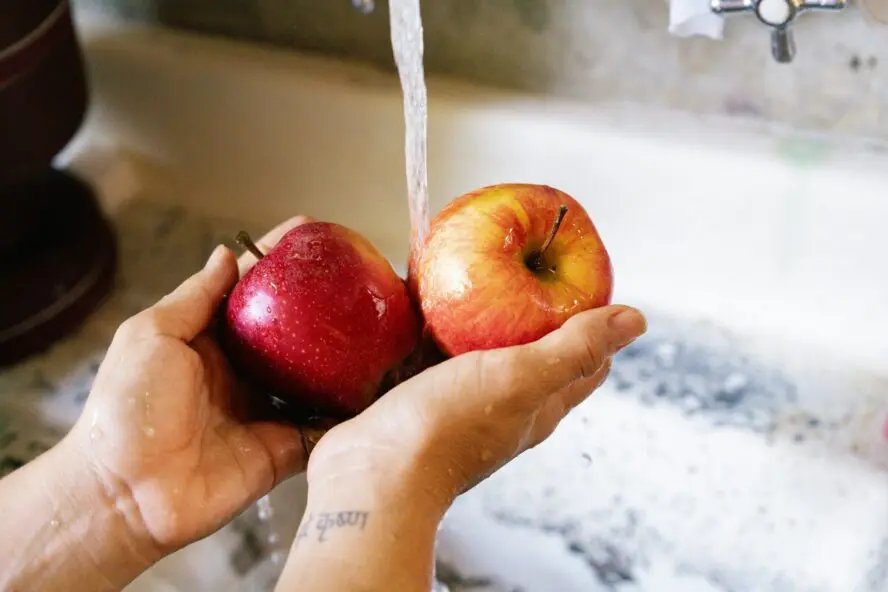
If you’re buying conventional produce, a few precautions can help you reduce the risks even further. Check out our guide on how to clean produce to remove pesticides, rinsing under cold water for more delicate items like grapes and scrubbing well with a vinegar-water soak for thick-skinned or wax-coated fruit and veggies.
Wax coatings, by the way, are present even on some organic apples — and that isn’t a cause for concern. The food-grade wax coating on apples helps extend their shelf life after picking, preventing moisture from escaping the fruit11. And while in the case of conventional, it may require a slightly more vigorous scrubbing to remove, it’s perfectly harmless to consume.
Fall Produce Frequently Asked Questions
If you’re not already familiar with the Dirty Dozen, this list is about to make your trips to the produce aisle way easier. The round-up is assembled and published every year by the EWG based on USDA data on the pesticide contamination of dozens of different produce items sold in the United States. Items on the Dirty Dozen are the most likely to be contaminated with pesticides, herbicides, and fungicides when sourced from conventional farmers, while items on the corresponding Clean Fifteen are the least likely culprits for contamination.
Yes! Apples feature in eighth place on this year’s Dirty Dozen list, due in large part to the likelihood that they could be contaminated with fungicides like fludioxonil, a potential endocrine disruptor. Given their thin, edible skin, apples are a good produce item to purchase organic.
Yes, a food-grade wax coating is allowed on both organic and conventional apples in order to extend their shelf life. This wax is completely harmless, according to Joe Schwarcz, PhD11 — but when it’s applied to conventional fruit, it can make it harder to remove any traces of pesticides.
Potatoes are indeed on this year’s Dirty Dozen list, rising one spot from last year to 11th place12. This is in large part because of high concentrations of chlorpropham, a plant growth regulator banned in the E.U. due to health concerns and potential endocrine effects. For this reason, we and the EWG recommend sourcing organic potatoes whenever possible. Sweet potatoes, it’s worth noting, narrowly missed being on the Clean Fifteen list and are safe to buy conventional.
Different techniques are appropriate for different produce types. For thin-skinned fruit like grapes, go for a cold-water rinse. Hardier fruits and veggies can take a vinegar-water soak, and be sure to scrub the rind of any produce that may be waxed, like citrus or apples.
Yes! While not officially on the Clean Fifteen list, pomegranates’ thick rinds protect the tasty arils within.
The Bottom Line
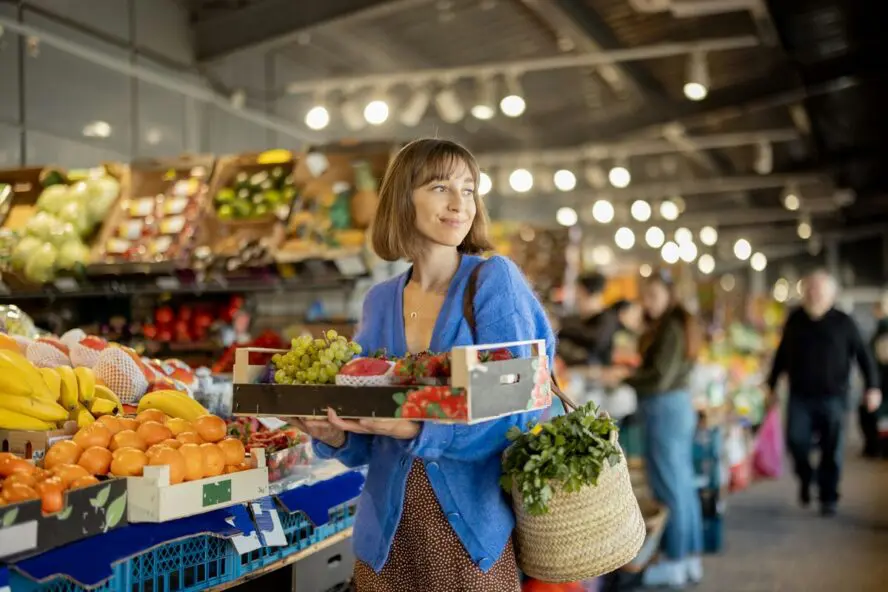
In the face of rising grocery prices, it’s understandable that your shopping basket would contain a mix of conventional and organic produce. For our money, apples and pears are this fall’s highest-value organic swap, given the likelihood of fungicide residues on organic options. That said, feel free to pick up conventional when going for winter squash and sweet potatoes as well as crucifers like cabbage, cauliflower, and broccoli.
We’ve been bringing you these updates since the spring, with both our guide to spring produce and our guide to summer produce. Stay tuned for our winter guide in a few months, which will close out our series for the year.
Sources:
- https://ifruittree.org/wp-content/uploads/2025/03/Eat-More-Apples%E2%84%A2.pdf
- https://www.ewg.org/foodnews/apples.php
- https://www.anses.fr/en/content/proposed-hazard-classification-two-diphenylamines
- https://www.ewg.org/foodnews/pears.php
- https://pmc.ncbi.nlm.nih.gov/articles/PMC10172787/
- https://www.ewg.org/foodnews/spinach.php
- https://www.ewg.org/foodnews/kale.php
- https://health.clevelandclinic.org/crunchy-and-cruciferous-youll-love-this-special-family-of-veggies
- https://www.sciencedirect.com/science/article/pii/S1756464623002451
- https://pmc.ncbi.nlm.nih.gov/articles/PMC4007340/
- https://www.mcgill.ca/oss/article/you-asked/why-do-they-spray-wax-apples-0
- https://www.ewg.org/foodnews/potatoes.php